
Oleksiy
Koval
Black
White
Rainbow
BOXES
ART
MUSEUM
SHUNDE
2024.12.21 –
2025.03.16
Curated by
Dr. Selima Niggl
The exhibition has been extended through March 26, 2025
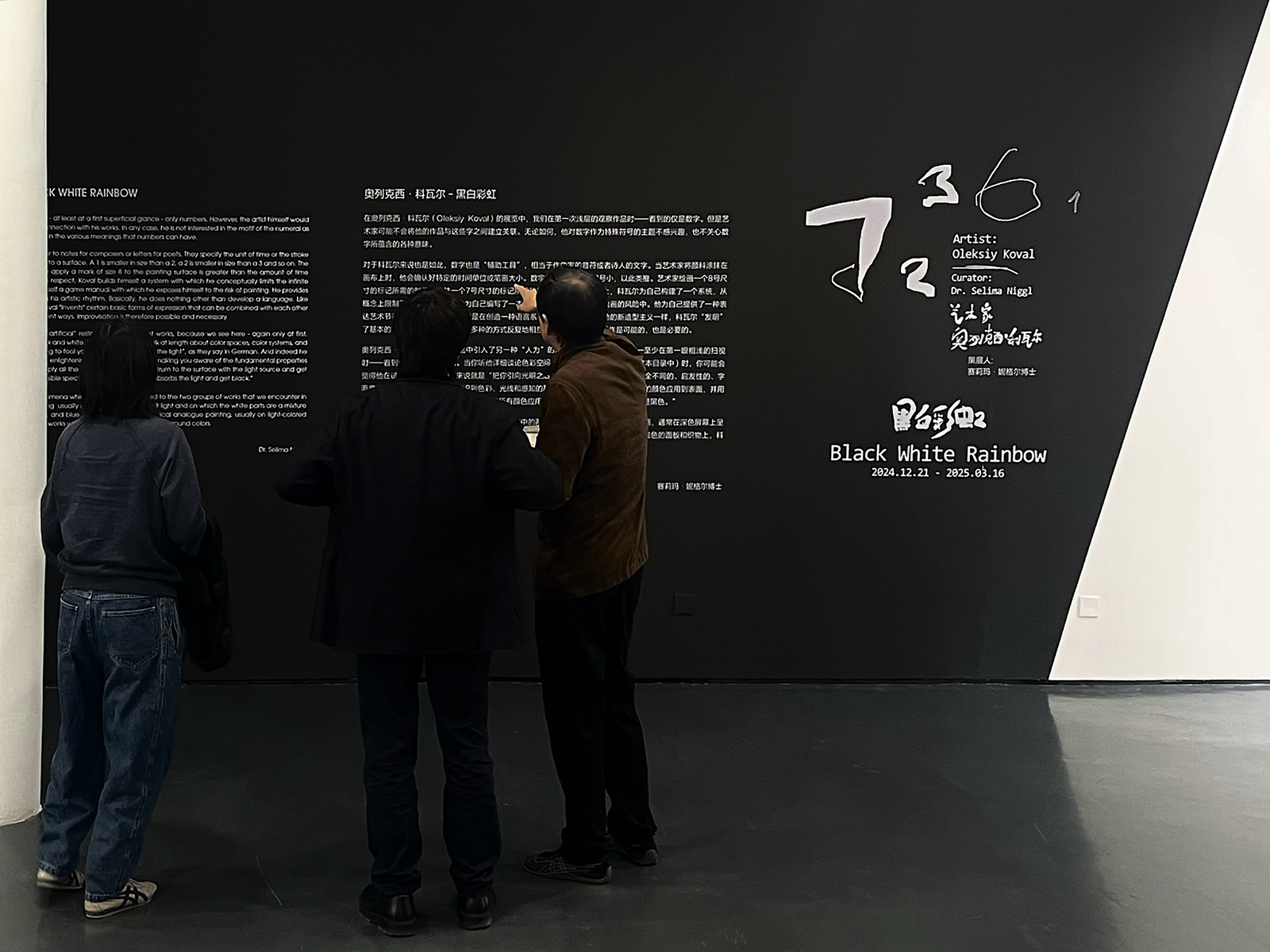
Black White Rainbow
Photo: Boxes Art Museum
“A number is a number is a unit is a mark is a painting”
On the works of Oleksiy Koval
Selima Niggl
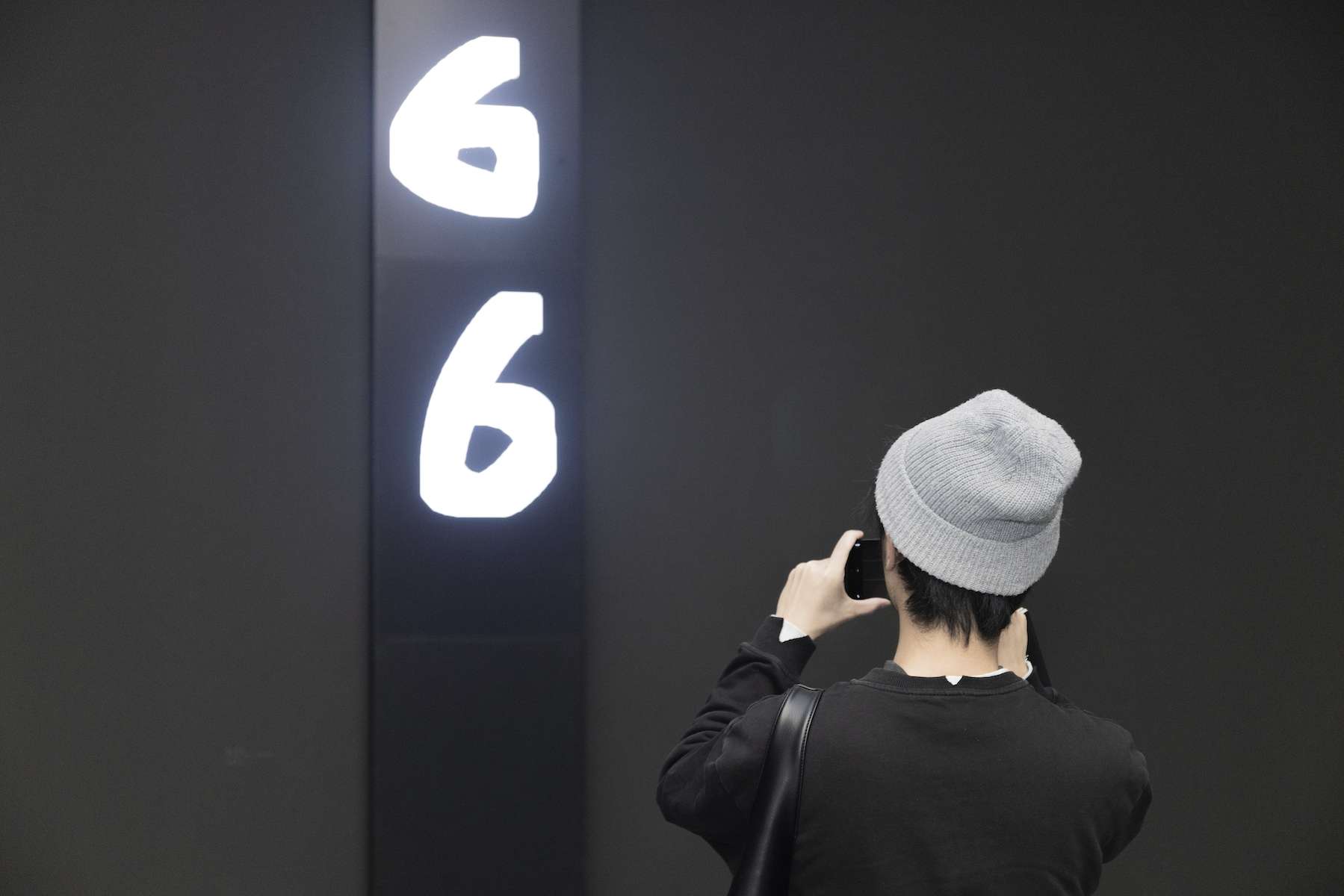
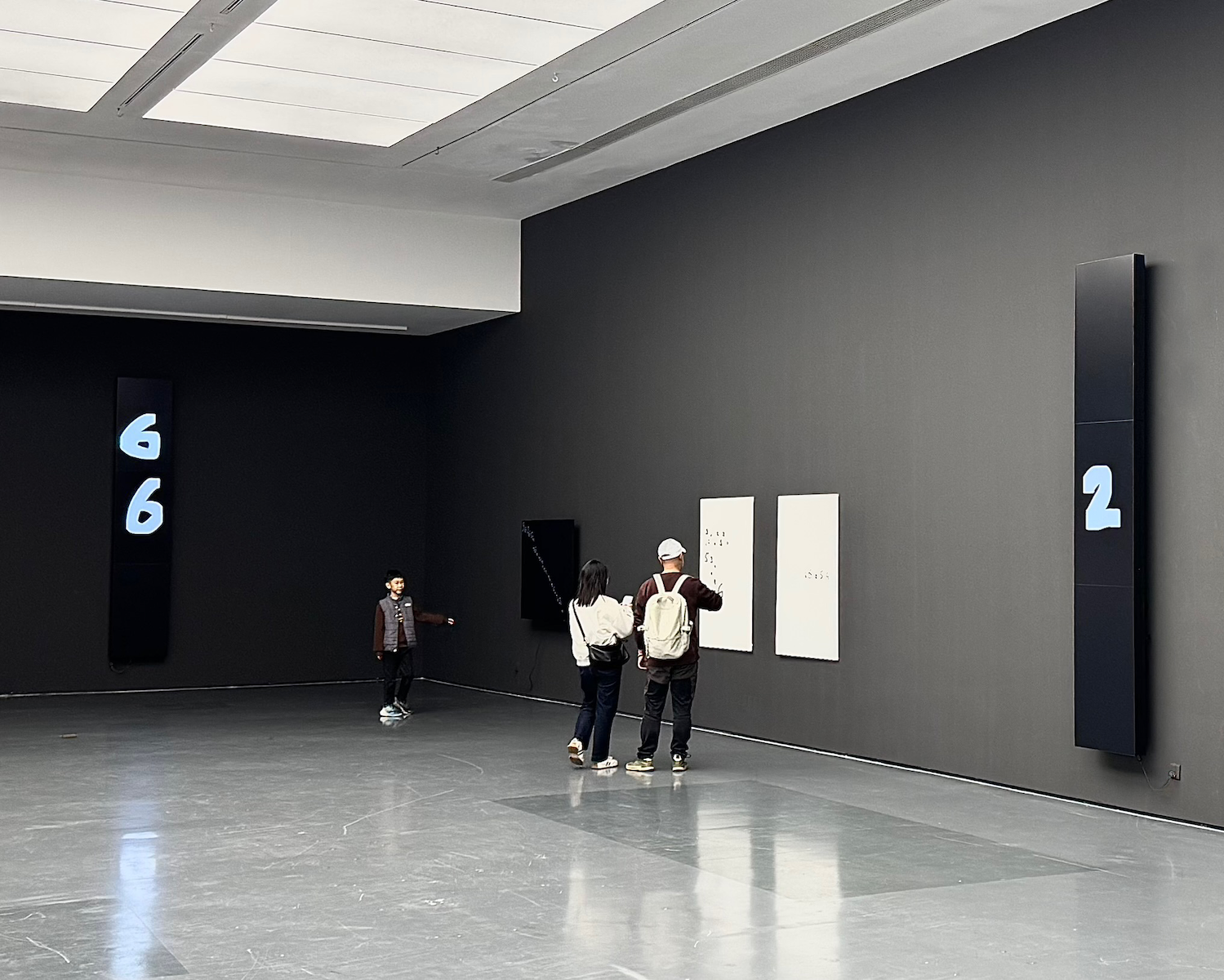
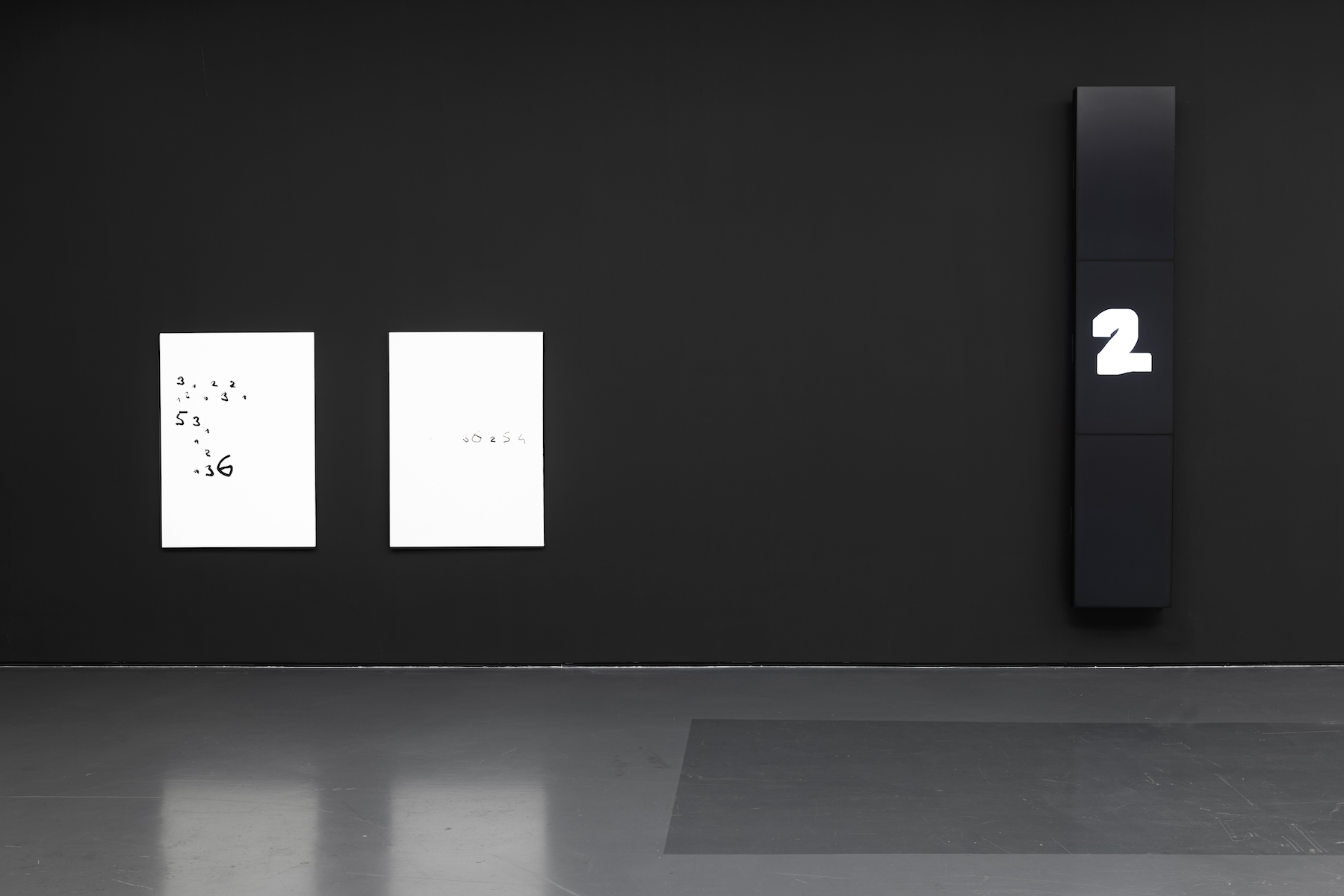
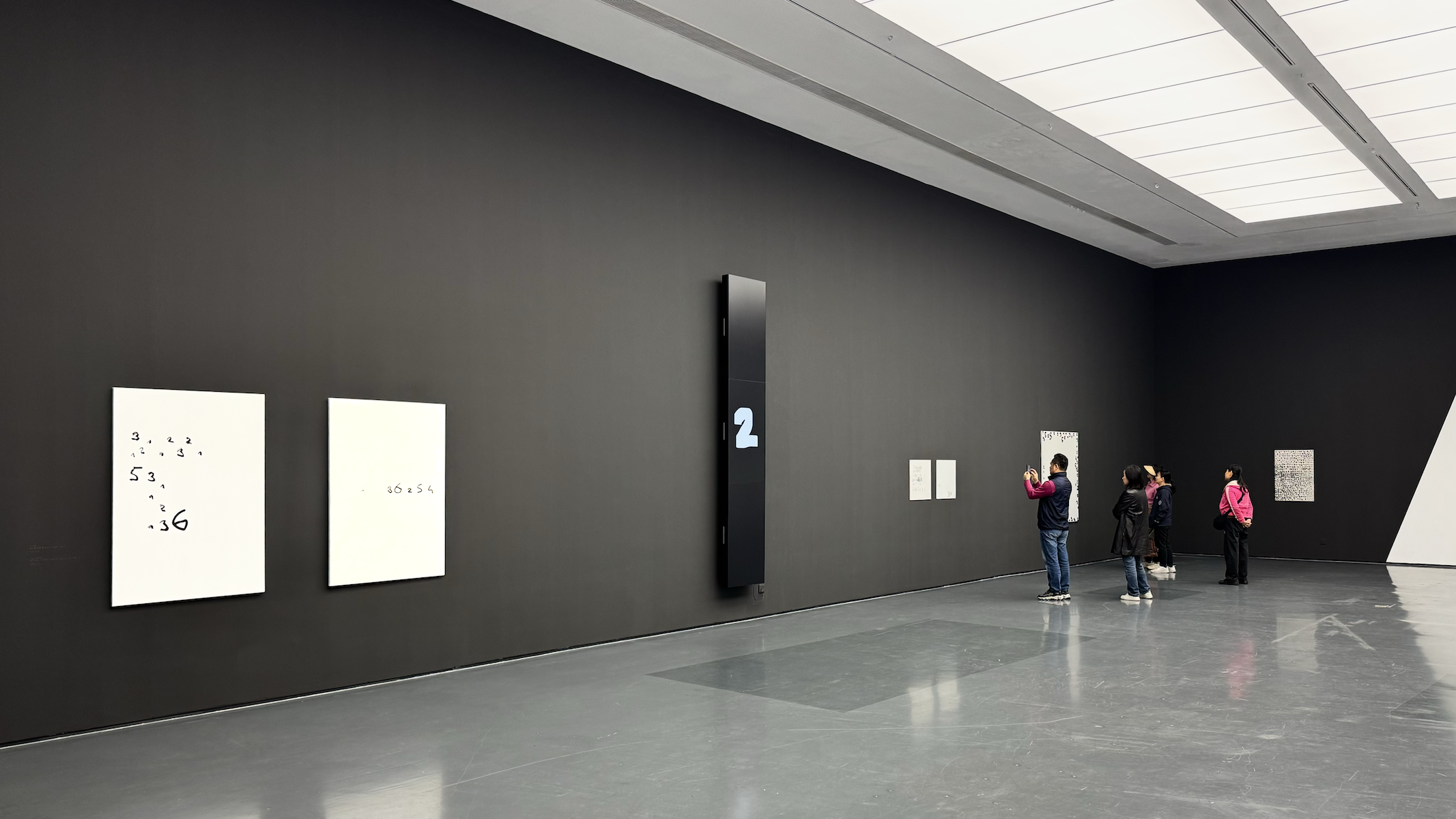
In Oleksiy Koval’s current exhibition, we see – at least at a first superficial glance – only numbers. However, the artist himself would probably not use these words in connection with his works. In any case, he is not interested in the motif of the numeral as a special symbol for a number, nor in the various meanings that numbers can have. So when he gives a wall piece with the number 6 in the Sabaki project space in Guangzhou (CN) the title “Lucky numbers”, referring to Chinese numerical symbolism, it has an ironic undertone.
But what is behind the numbers, which incidentally only appear in the number range from 1 to 8?
First of all, a number is fundamentally abstract and yet closely linked to the thing it counts or – as the children’s dictionary says: “It is used to describe a set of objects […], and so it is easier to remember this set.” A number, or its digit, is therefore first and foremost a tool, a means with which I can break down even the most complex realities to their basic property of countability and distinguish- ability: A world is not your world and it is not my world, so we live in different worlds, which at least share the number two, although this still says little about the thing itself – in this case, the world.
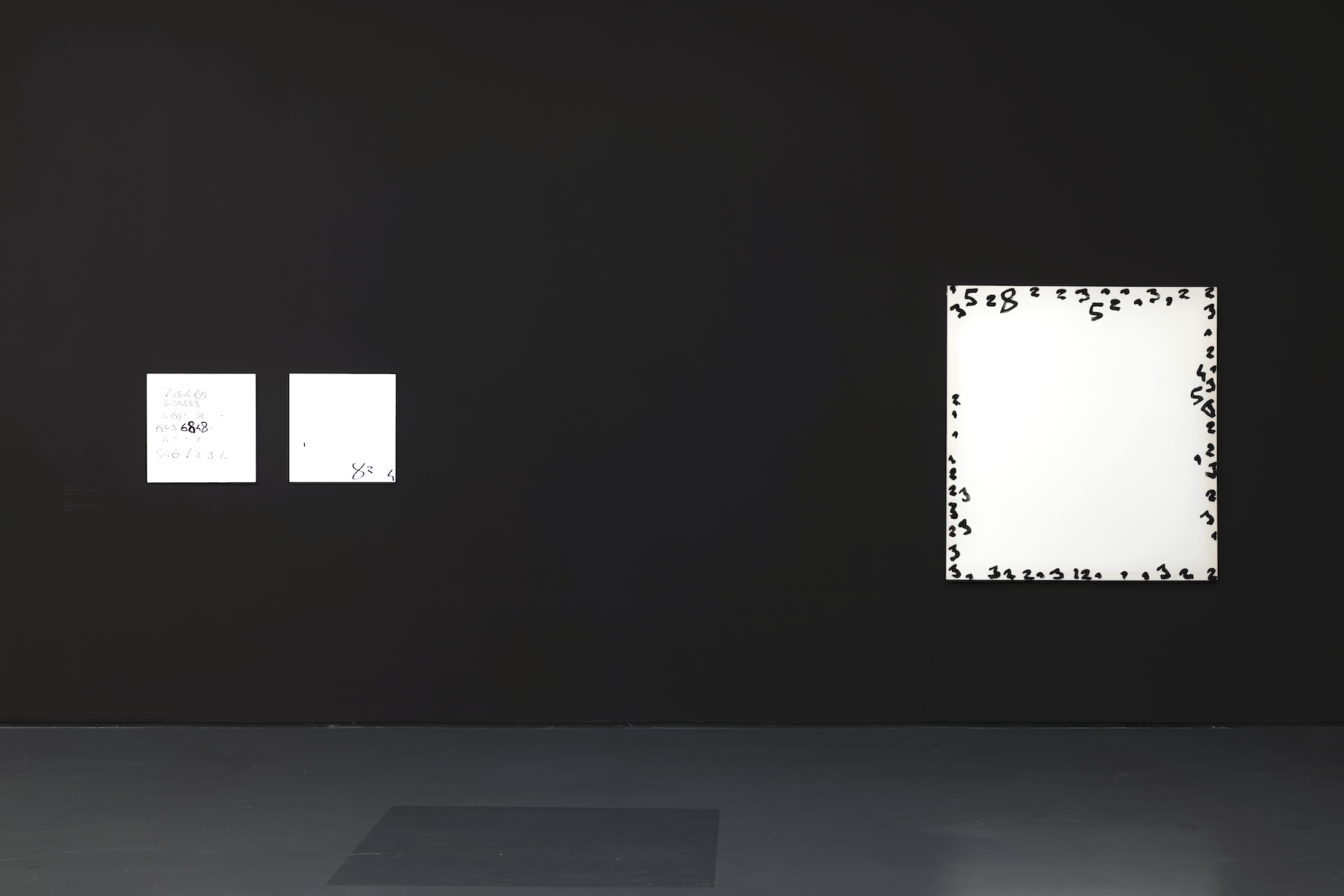
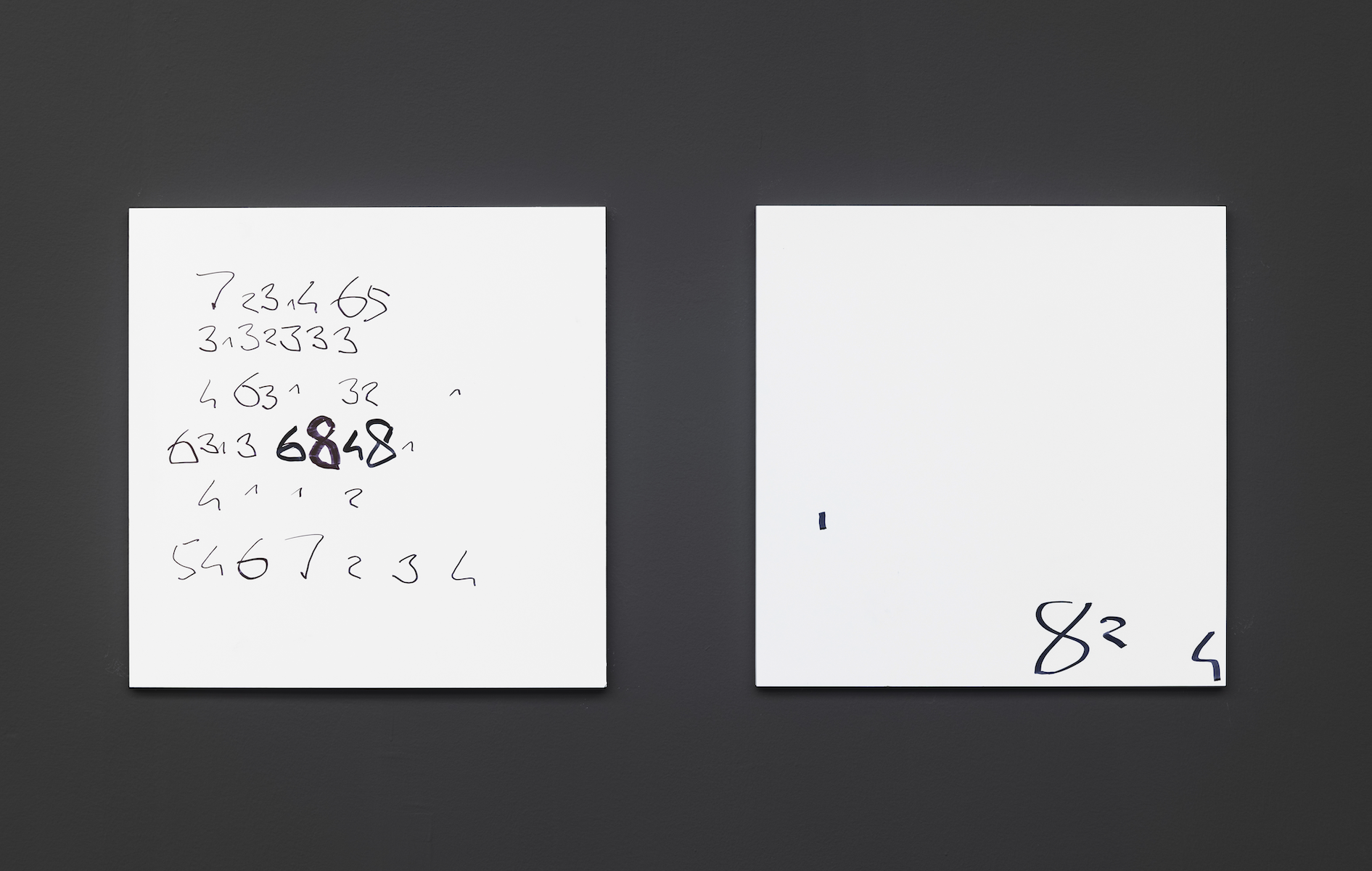
For Koval, too, numbers are ‘aids’, similar to notes for composers or letters for poets. They specify the unit of time or the stroke size when the painter applies paint to a surface. A 1 is smaller in size than a 2, a 2 is smaller in size than a 3 and so on. The amount of time the artist needs to apply a mark of size 8 to the painting surface is greater than the amount of time needed for a mark of size 7. In this respect, Koval builds himself a system with which he conceptually limits the infinite wealth of possibilities. He writes himself a game manual with which he exposes himself to the risk of painting. He provides himself with a means of expressing his artistic rhythm. Basically, he does nothing other than develop a language. Like Mondrian with his Neoplasticism, Koval ‘invents’ certain basic forms of expression that can be combined with each other again and again in new and different ways.
Oleksiy Koval introduces a further ‘artificial’ restriction for his current works, because we see here – again only at first, superficial glance – exclusively black and white. When you hear him talk at length about color spaces, color systems, and colorants, you might think he is trying to fool you, to “lead you behind the light”, as they say in German. And indeed he does, but in a completely different, enlightening, and literal sense, by making you aware of the fundamental properties of color, light, and perception:
“I apply all the colors of the visible spectrum to the surface with the light source and get white. I apply all the colors of the visible spectrum to the surface that absorbs the light and get black.”
The artist alludes here to two phenomena which are inextricably linked to the two groups of works that we encounter in the exhibition. There is digital painting, usually on dark screens that emit light and on which the white parts are a mixture of the three light colors red, green, and blue. And we encounter classical analogue painting, usually on light-colored panels and fabrics, on which Koval works with black as a mixture of all the ground colors. Improvisation is therefore possible and necessary. Nevertheless, there is a principle in which the artist feels ‘at home’.
But even without this knowledge of what lies behind the obvious – in this case, black and white forms and surfaces – we can see from pure observation that Koval also plays with colors on another level. He not only shows great interest in experimenting with the analog image carrier which – depending on the material – has a completely different hue. Koval also gives the surface of the screen its own material, painterly quality – at least when he is allowed to choose the technique himself.
Between the poles of strict concept and free improvisation, of uncompromising reduction and maximum openness, Oleksiy Koval creates a work that generates tension but also endures, a work that encourages us as viewers to look beyond the obvious and to critically question our perceptions.
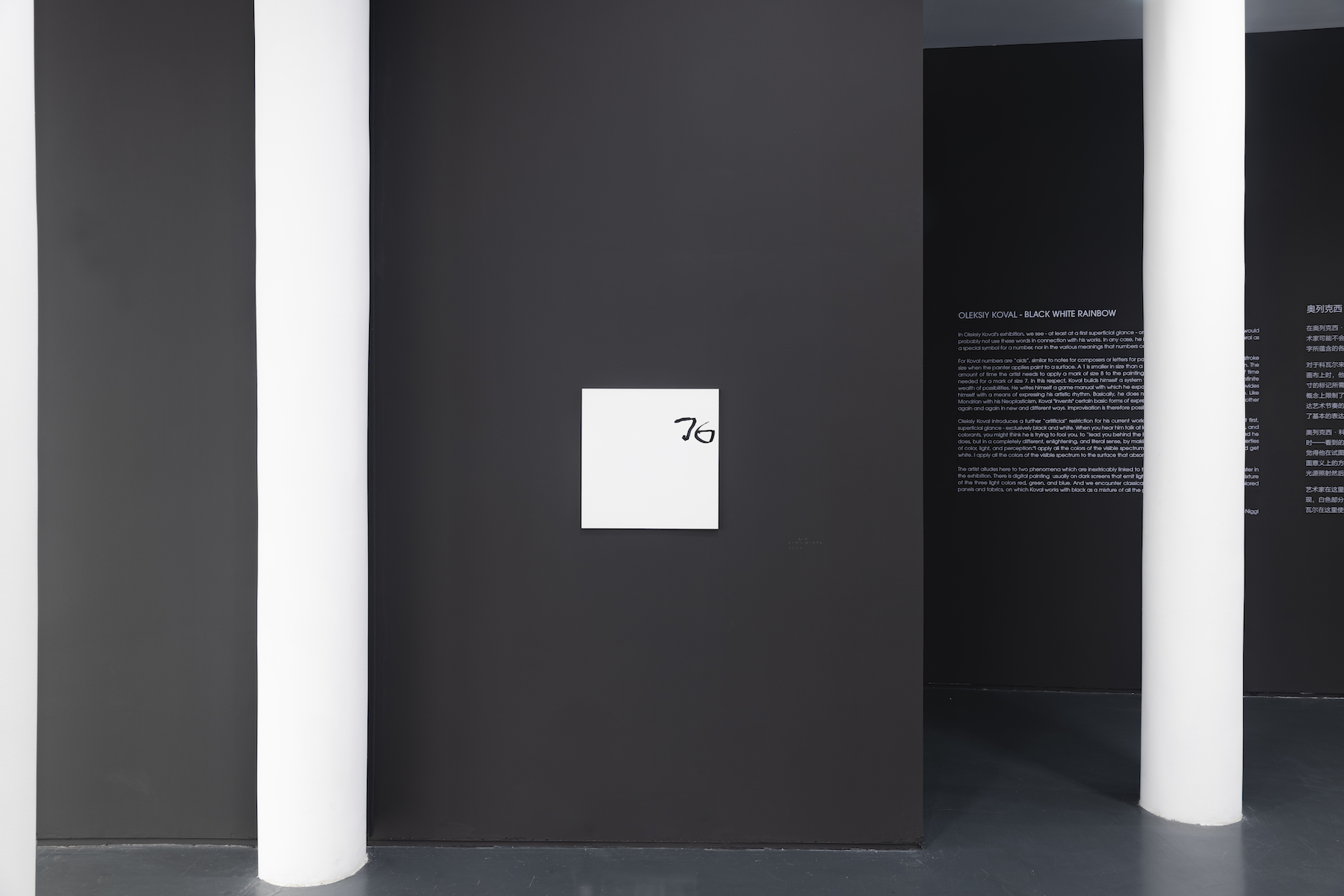
Black White Rainbow
Photo: Boxes Art Museum
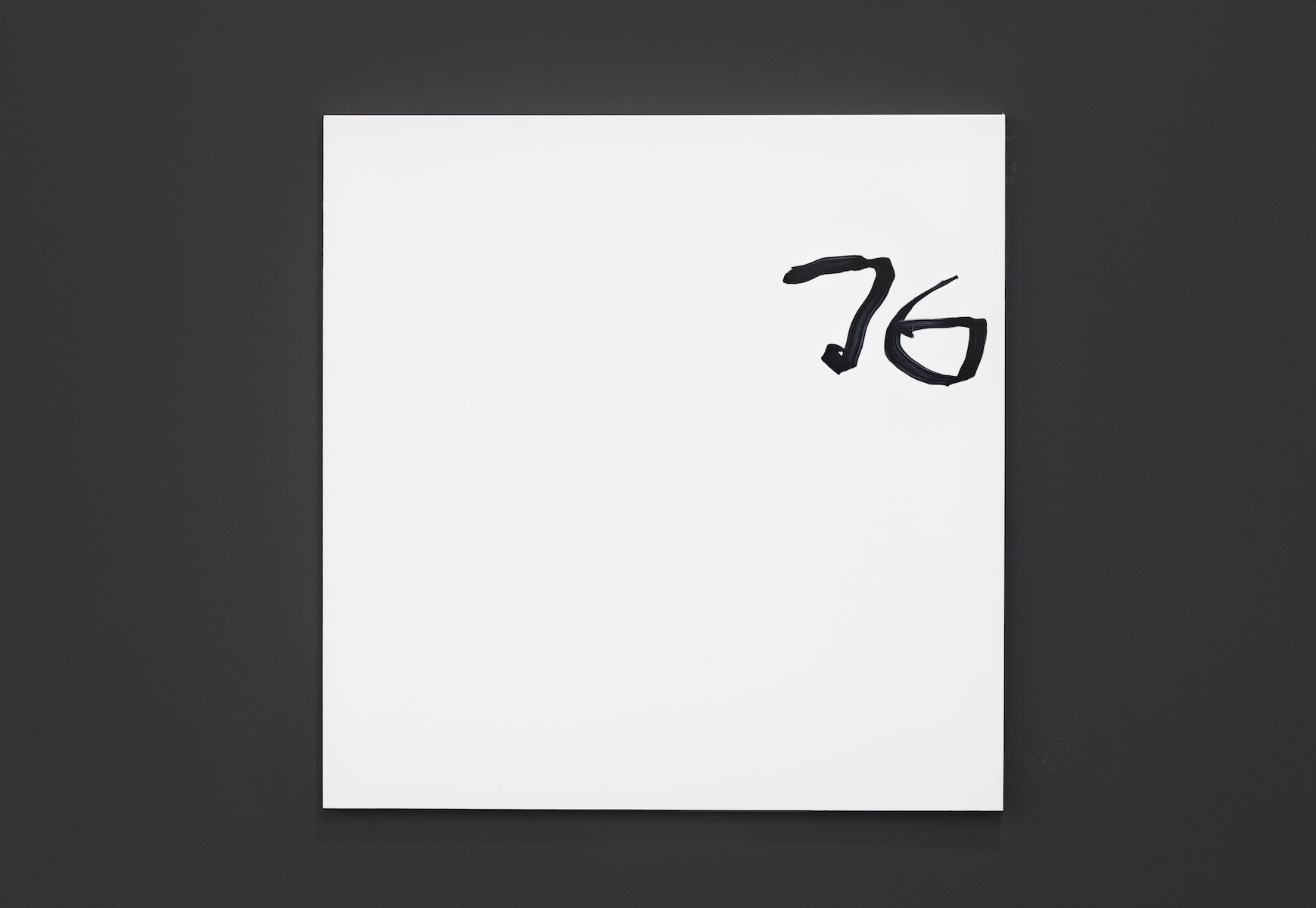
Oleksiy Koval, 2024
50 x 49 cm, marker on PVC
Photo: Boxes Art Museum
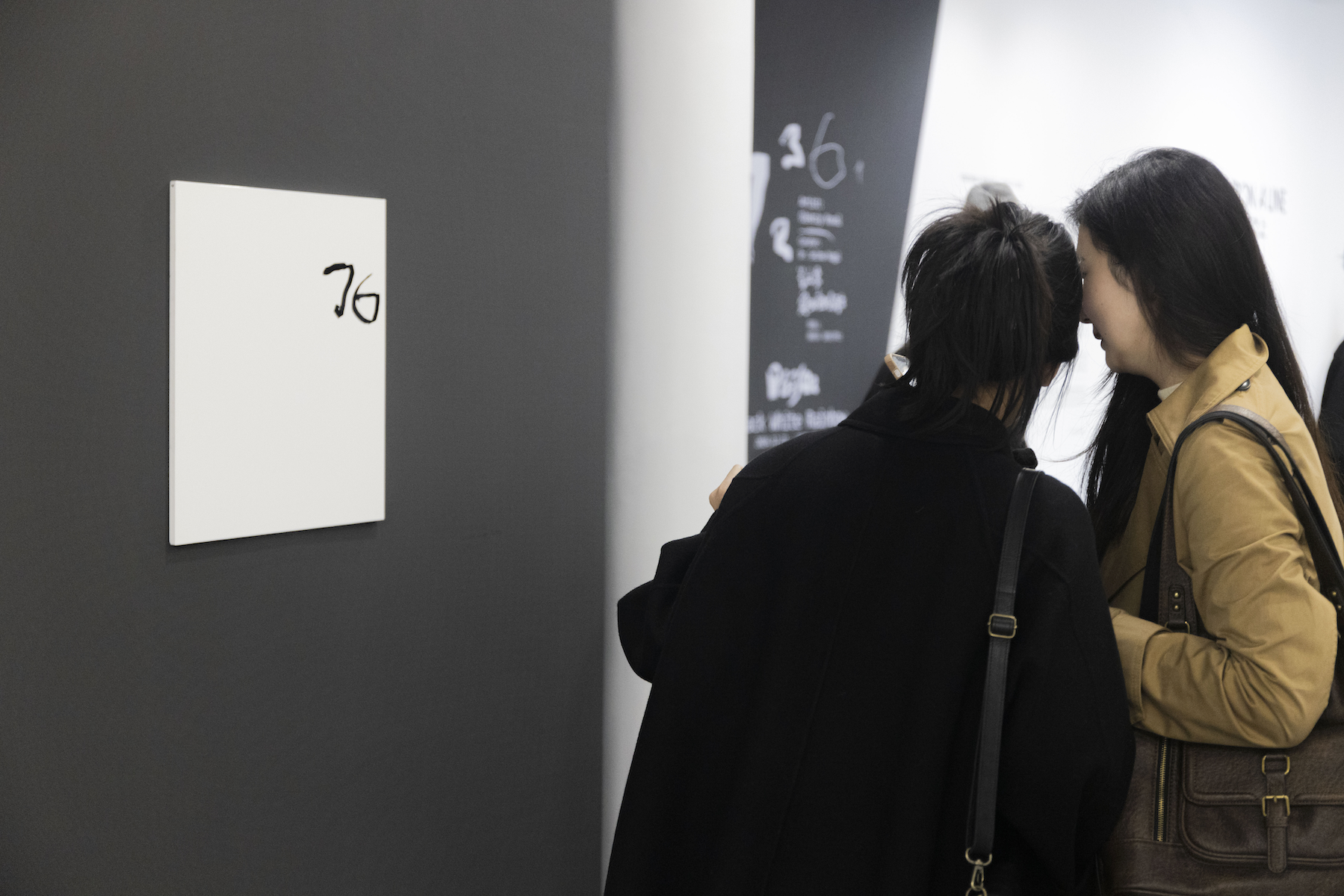
Black White Rainbow
Photo: Boxes Art Museum
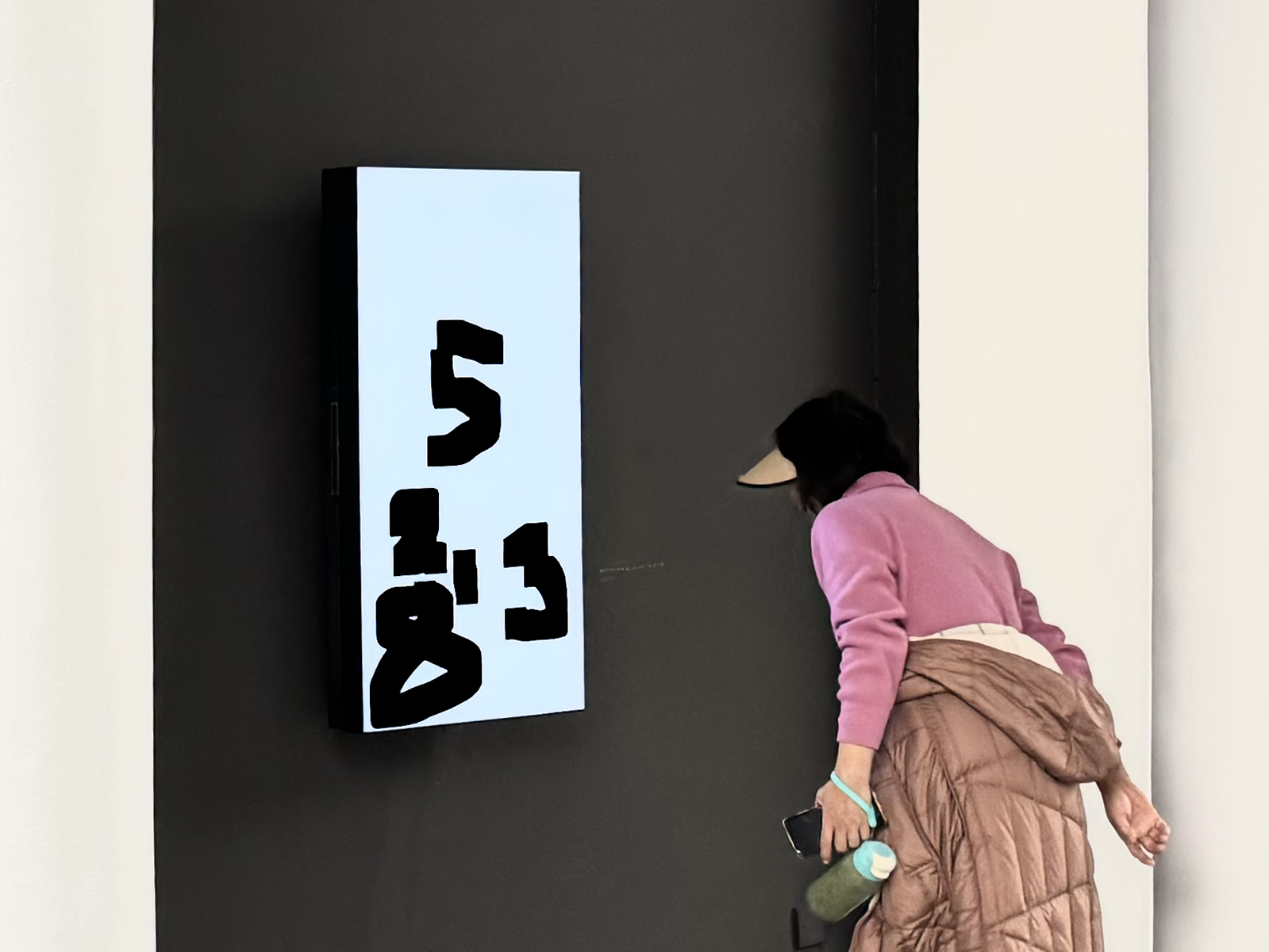
Oleksiy Koval, 2020
106 x 60 cm, 1080 x 1920 px, Jpeg
Photo: Boxes Art Museum
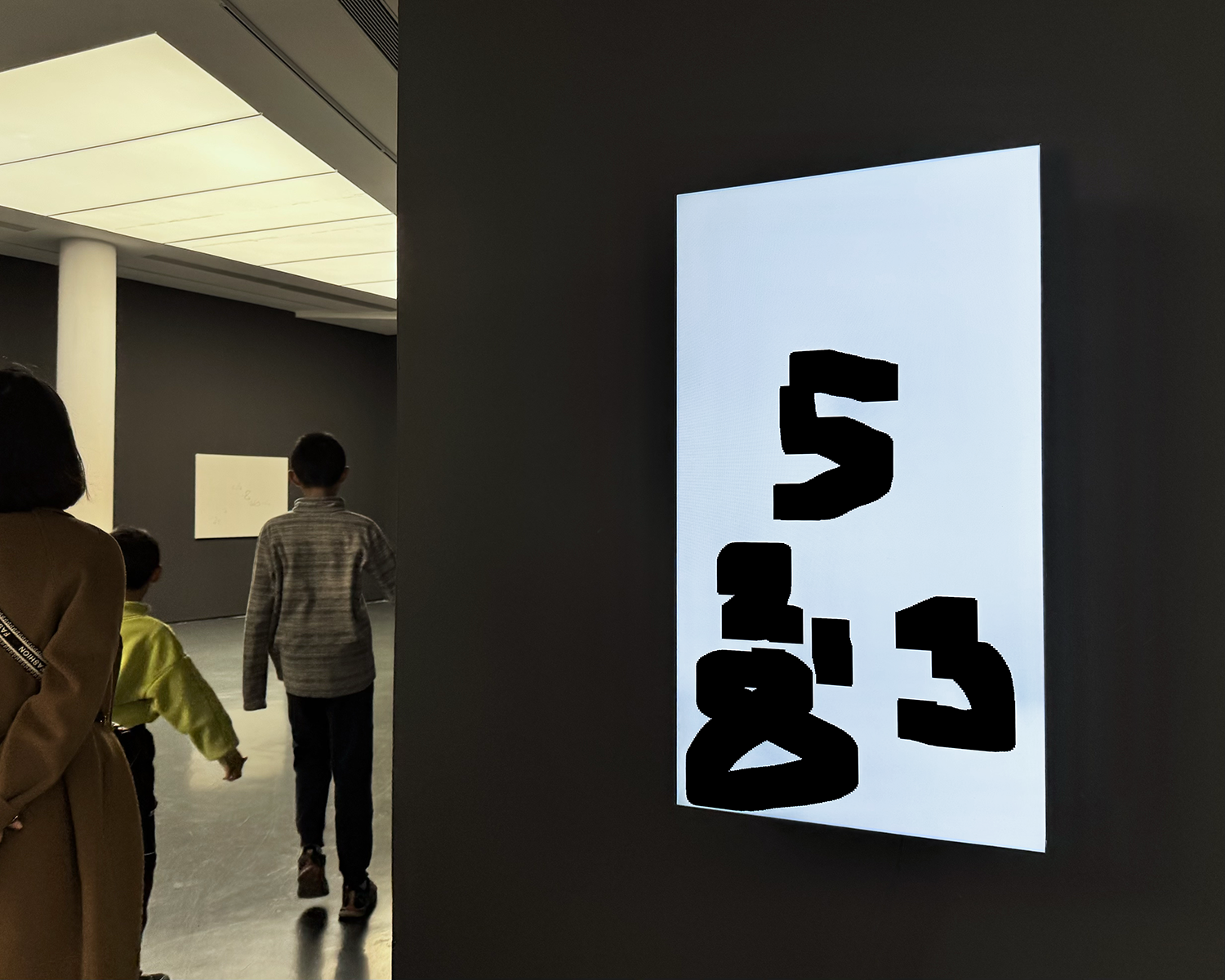
Oleksiy Koval, 2020
106 x 60 cm, 1080 x 1920 px, Jpeg
Photo: Boxes Art Museum
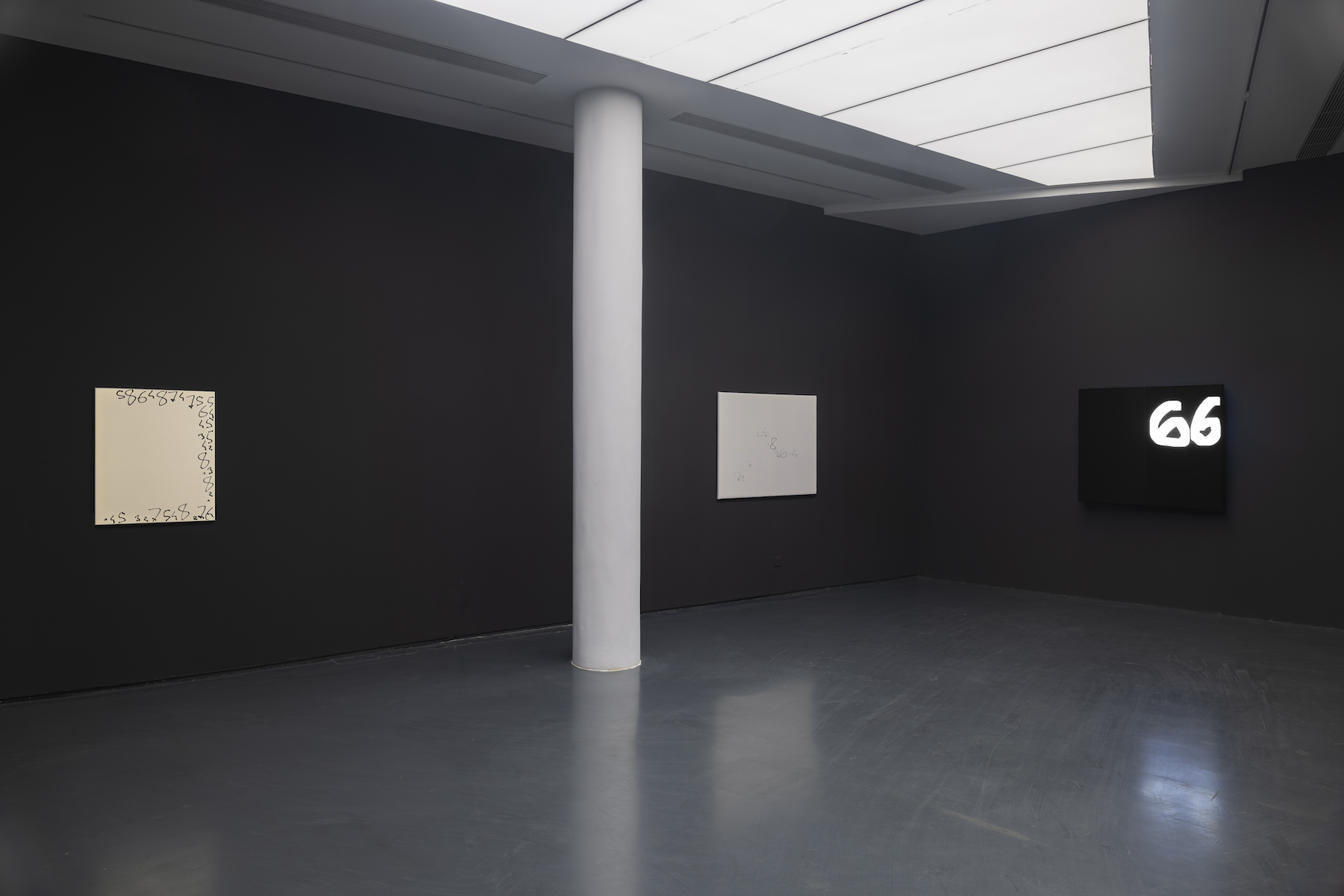
Black White Rainbow
Photo: Boxes Art Museum
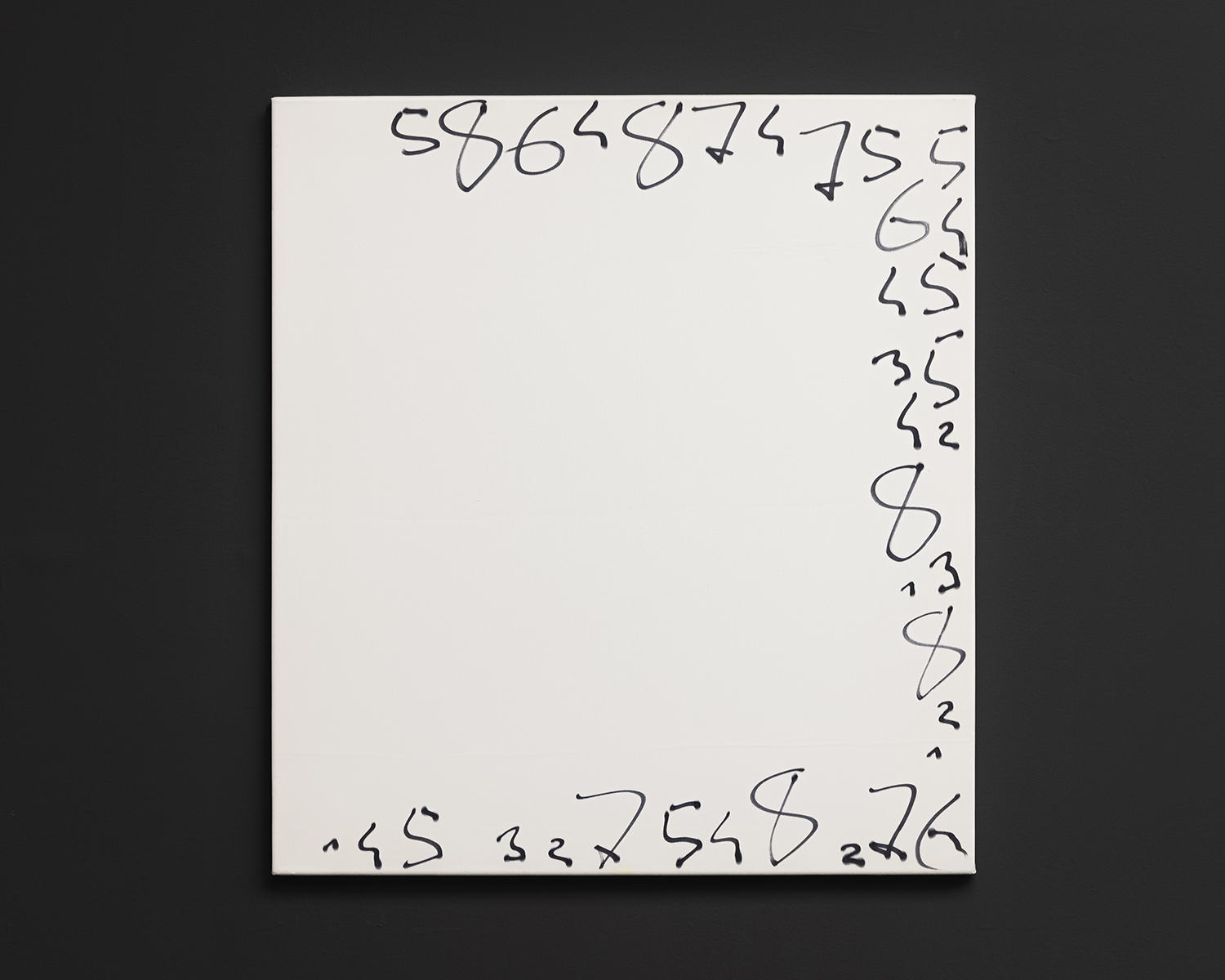
Oleksiy Koval, 2021
70 x 63 cm, marker on synthetic textile
Photo: Boxes Art Museum
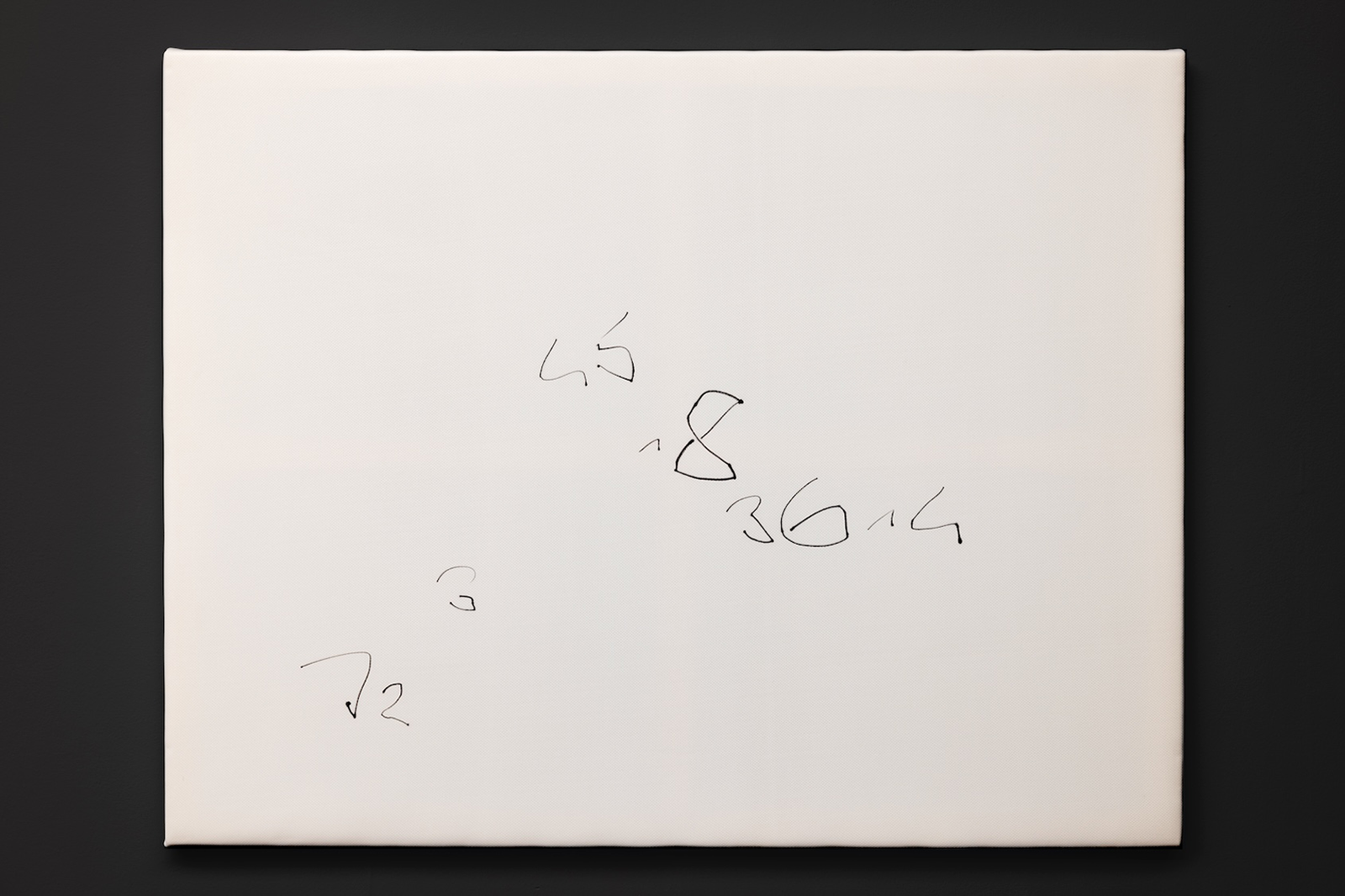
Oleksiy Koval, 2024
93 x 120 cm, marker on synthetic textile
Photo: Boxes Art Museum
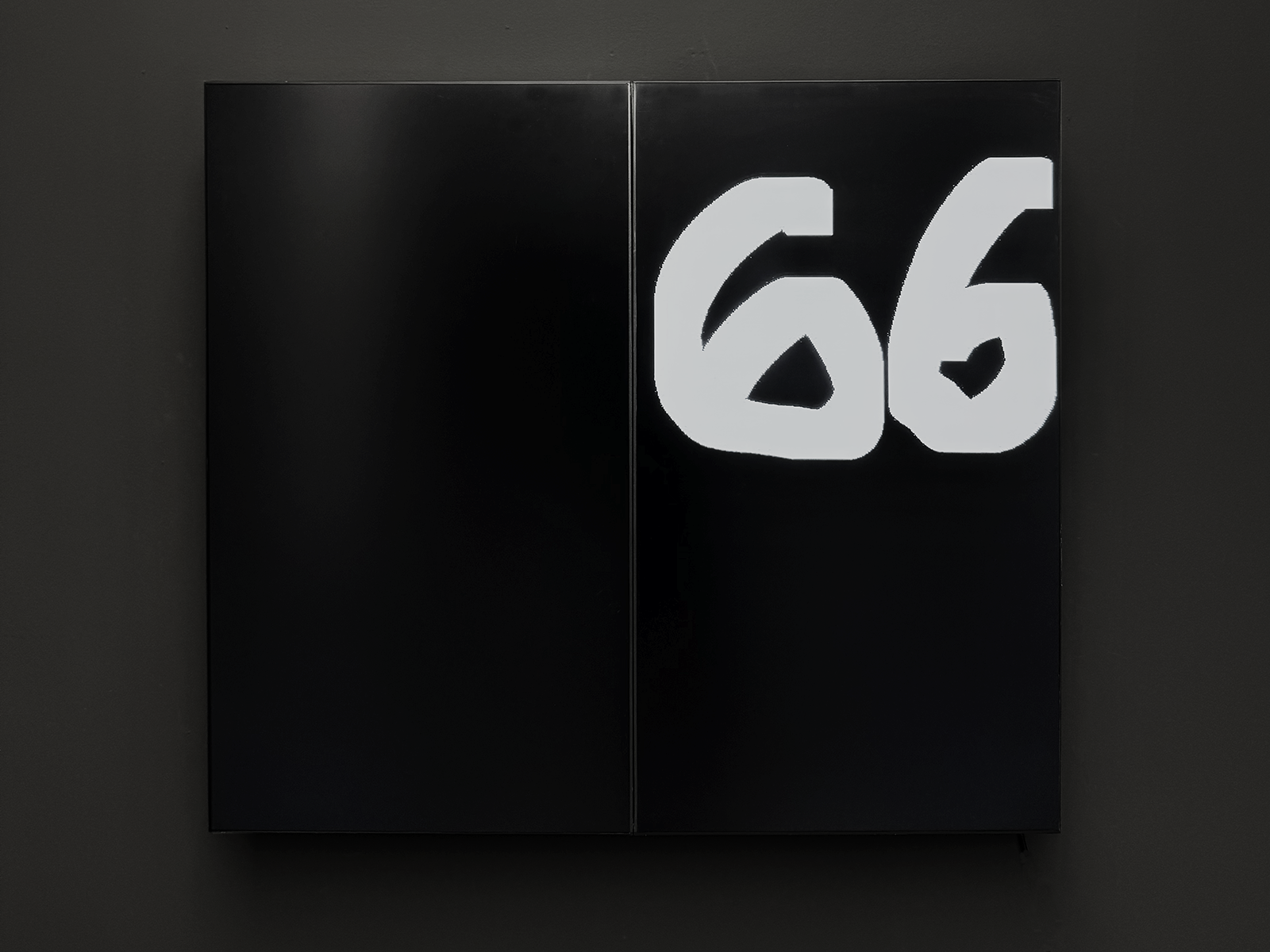
Oleksiy Koval, 2024
106 x 120 cm, 2160 x 1920 px, Jpeg
Photo: Boxes Art Museum
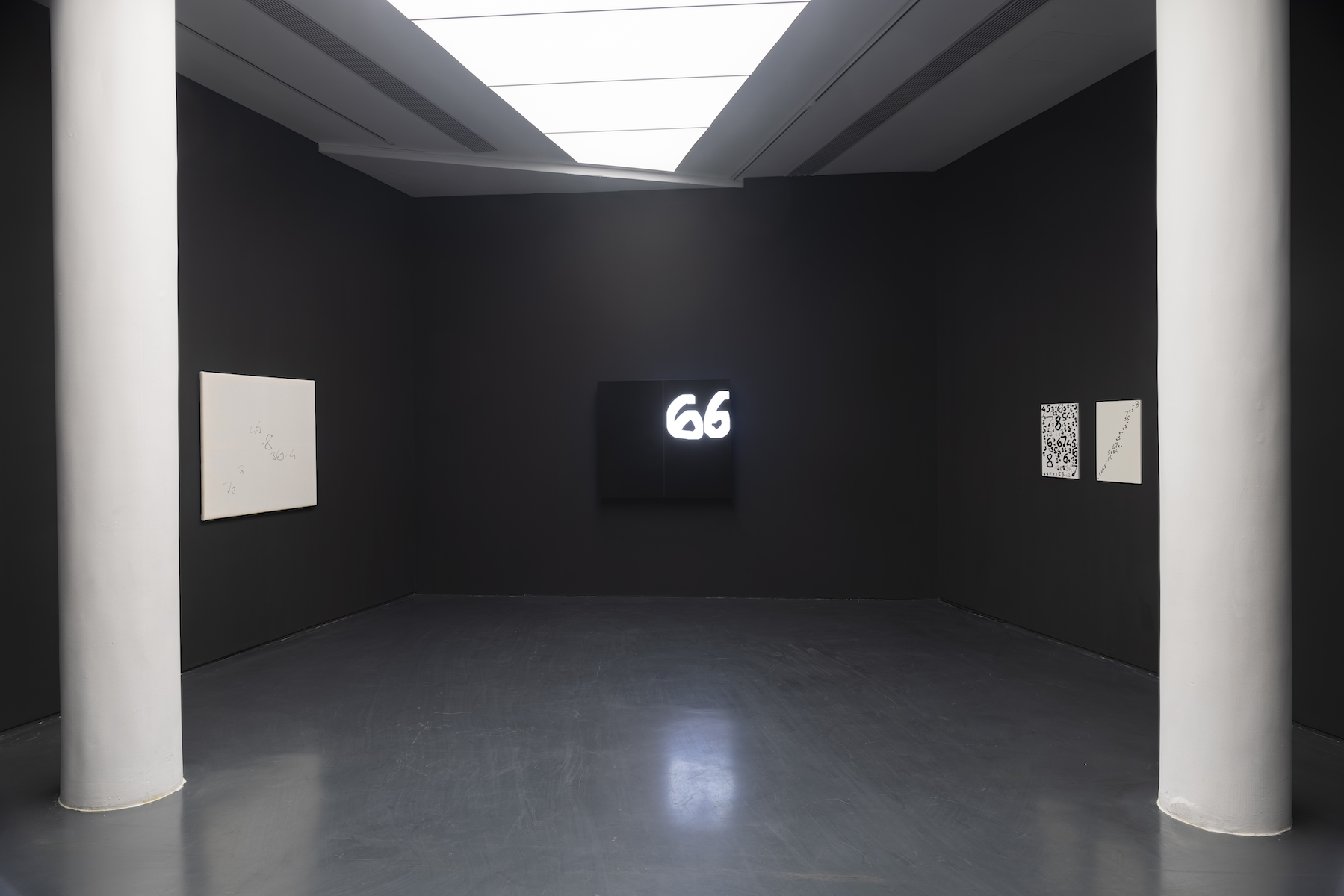
Black White Rainbow
Photo: Boxes Art Museum
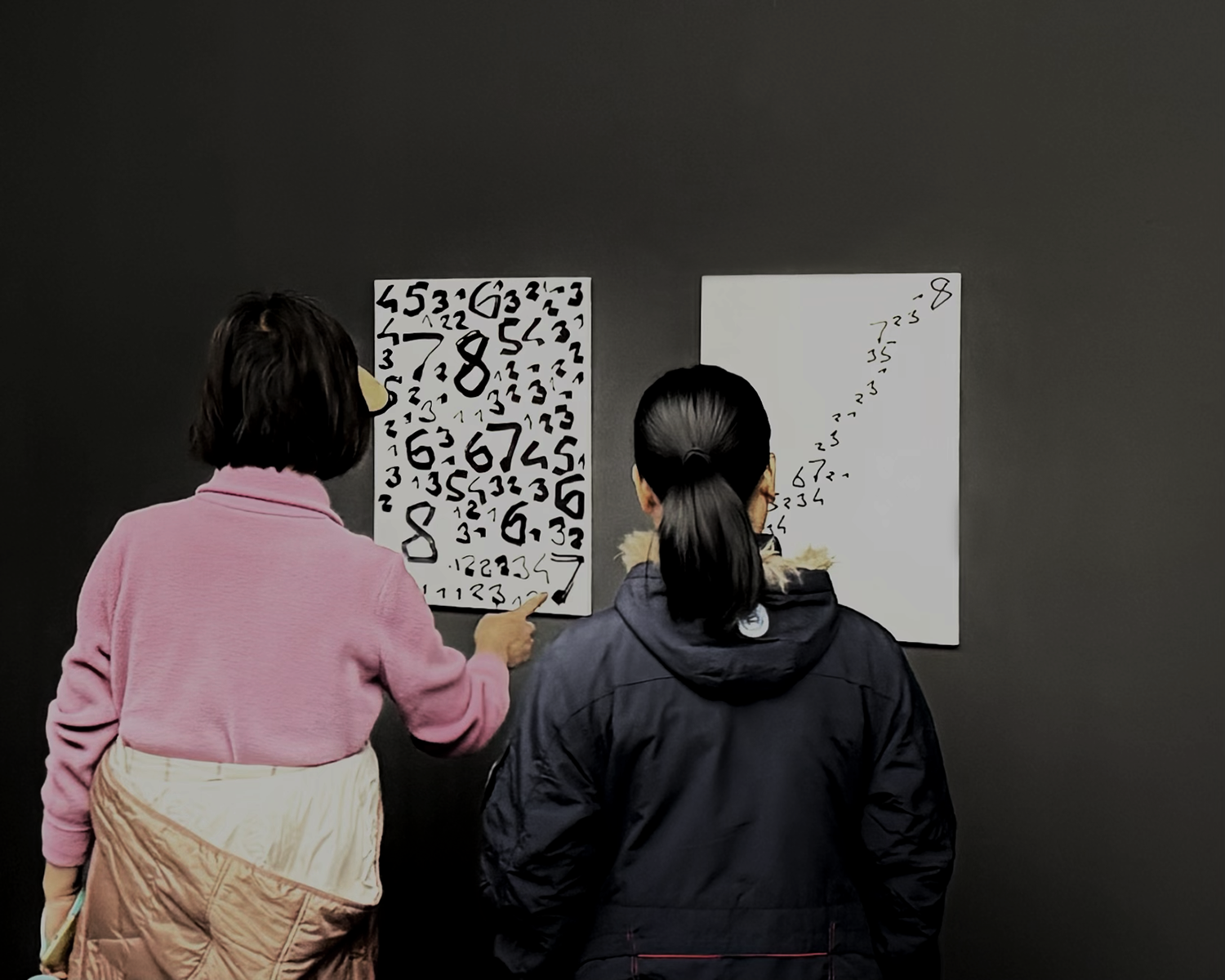
Black White Rainbow
Photo: Boxes Art Museum
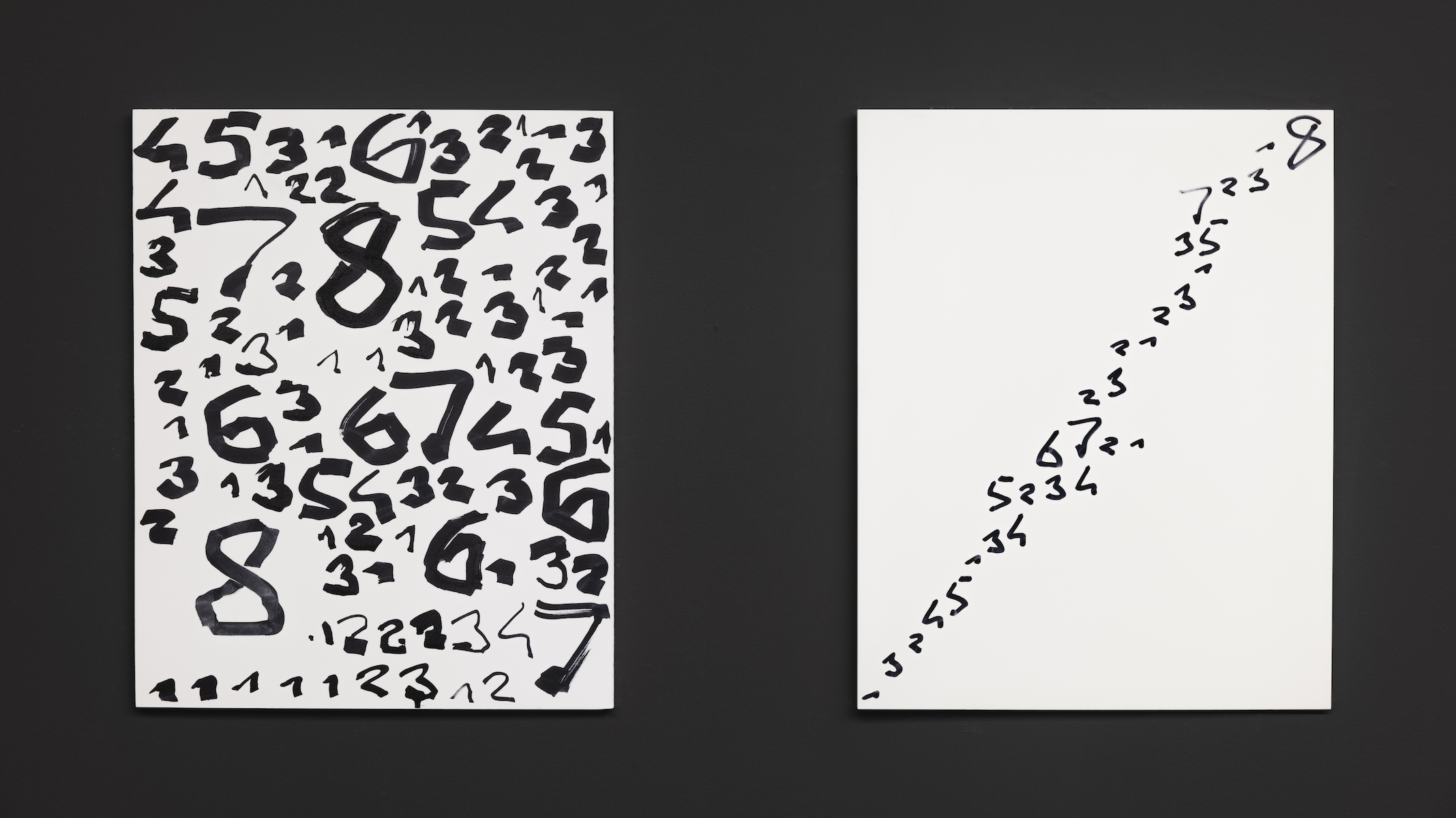
Oleksiy Koval, 2022 – 2024
Photo: Boxes Art Museum
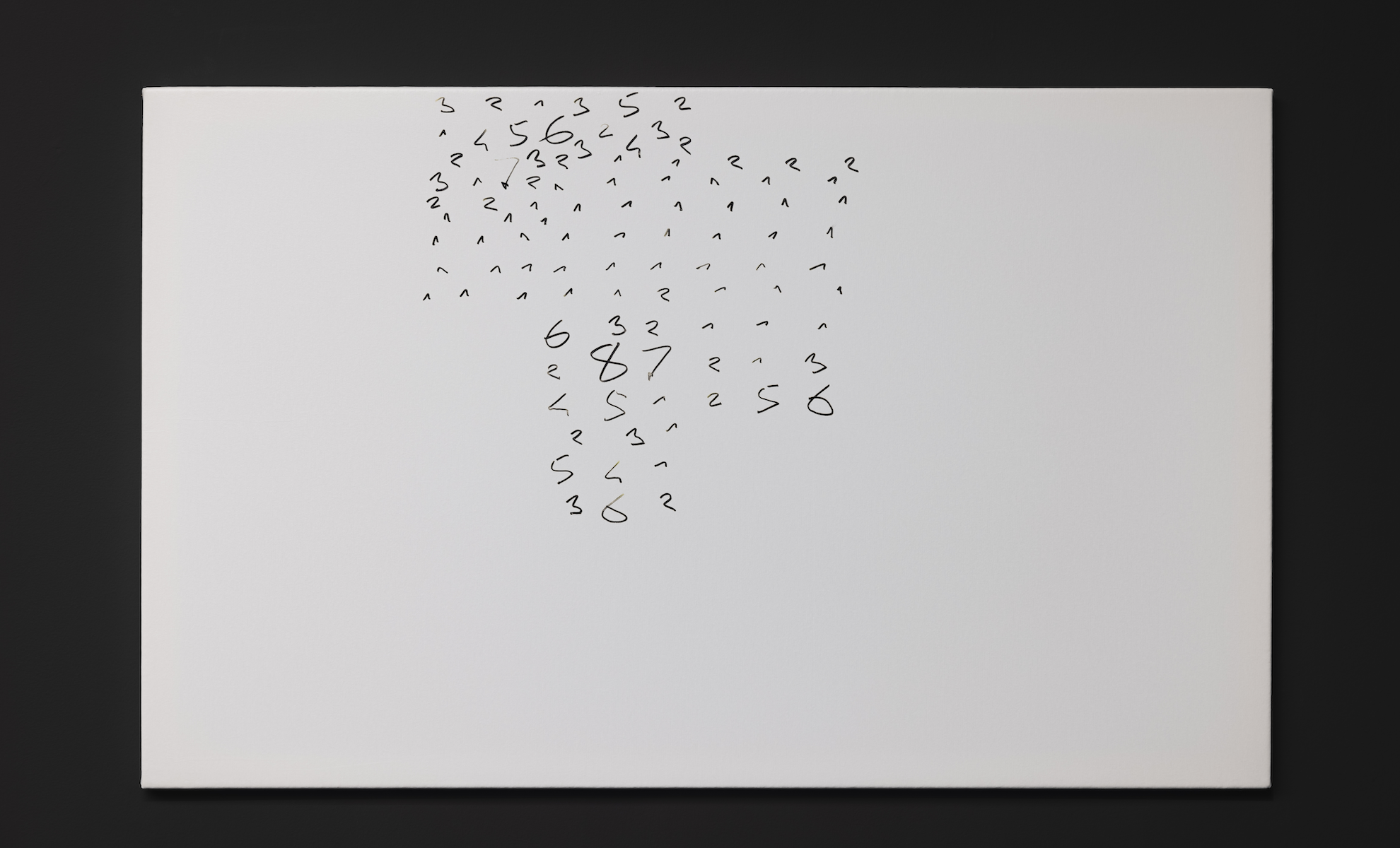
Oleksiy Koval, 2021
80 x 130 cm, marker on synthetic textile
Photo: Boxes Art Museum
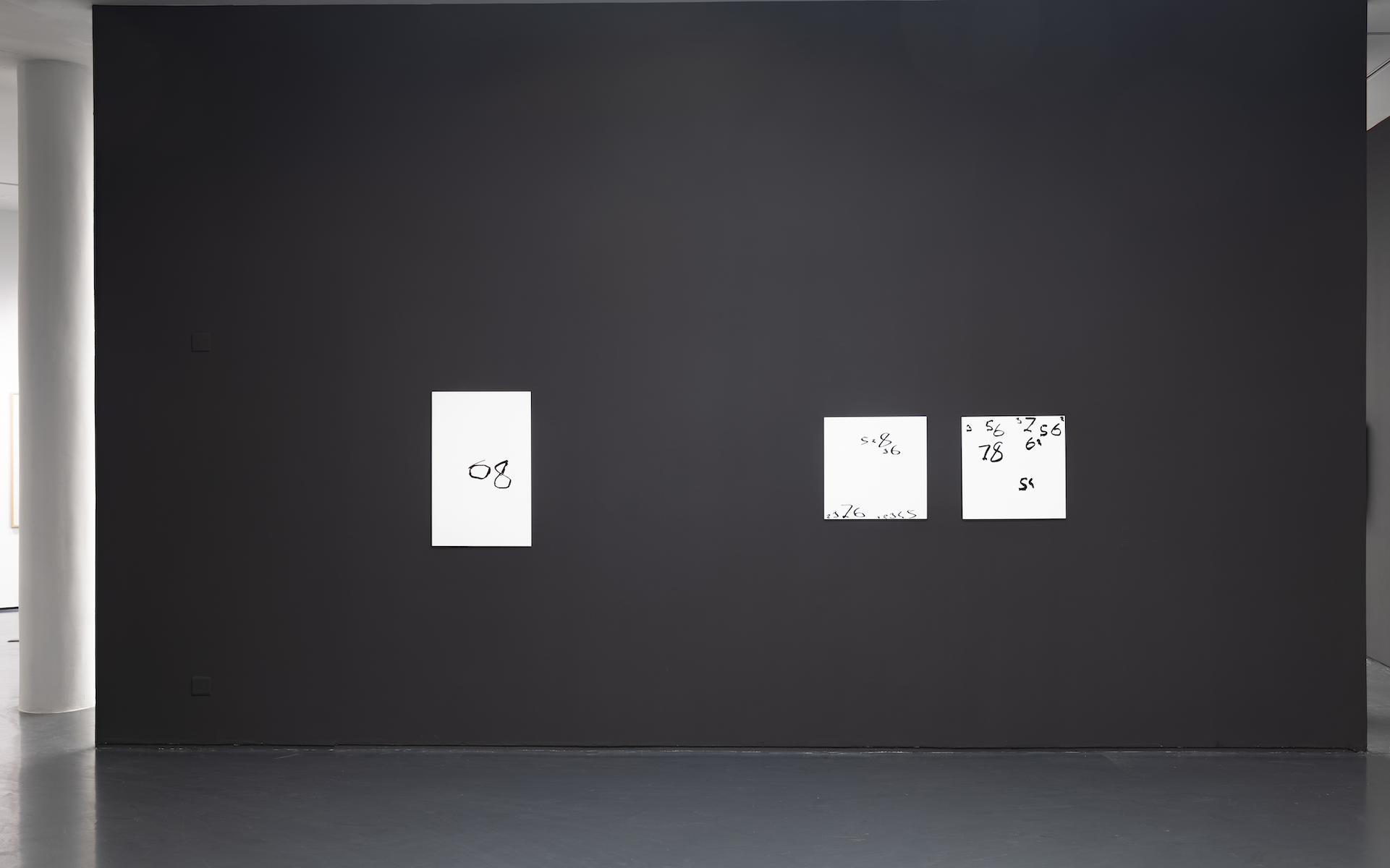
Black White Rainbow
Photo: Boxes Art Museum
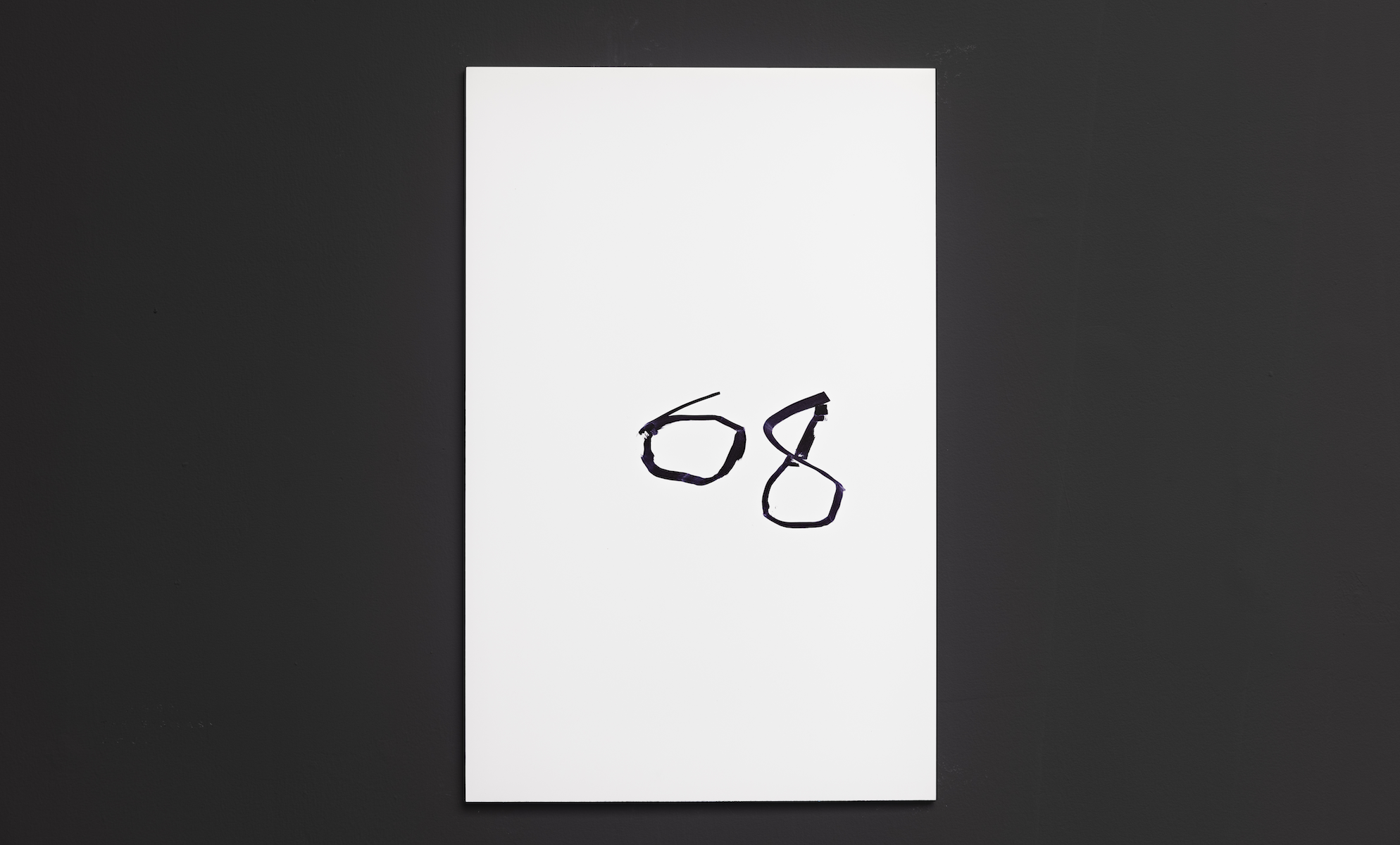
Oleksiy Koval, 2024
76 x 48,5 cm, marker on PVC
Photo: Boxes Art Museum
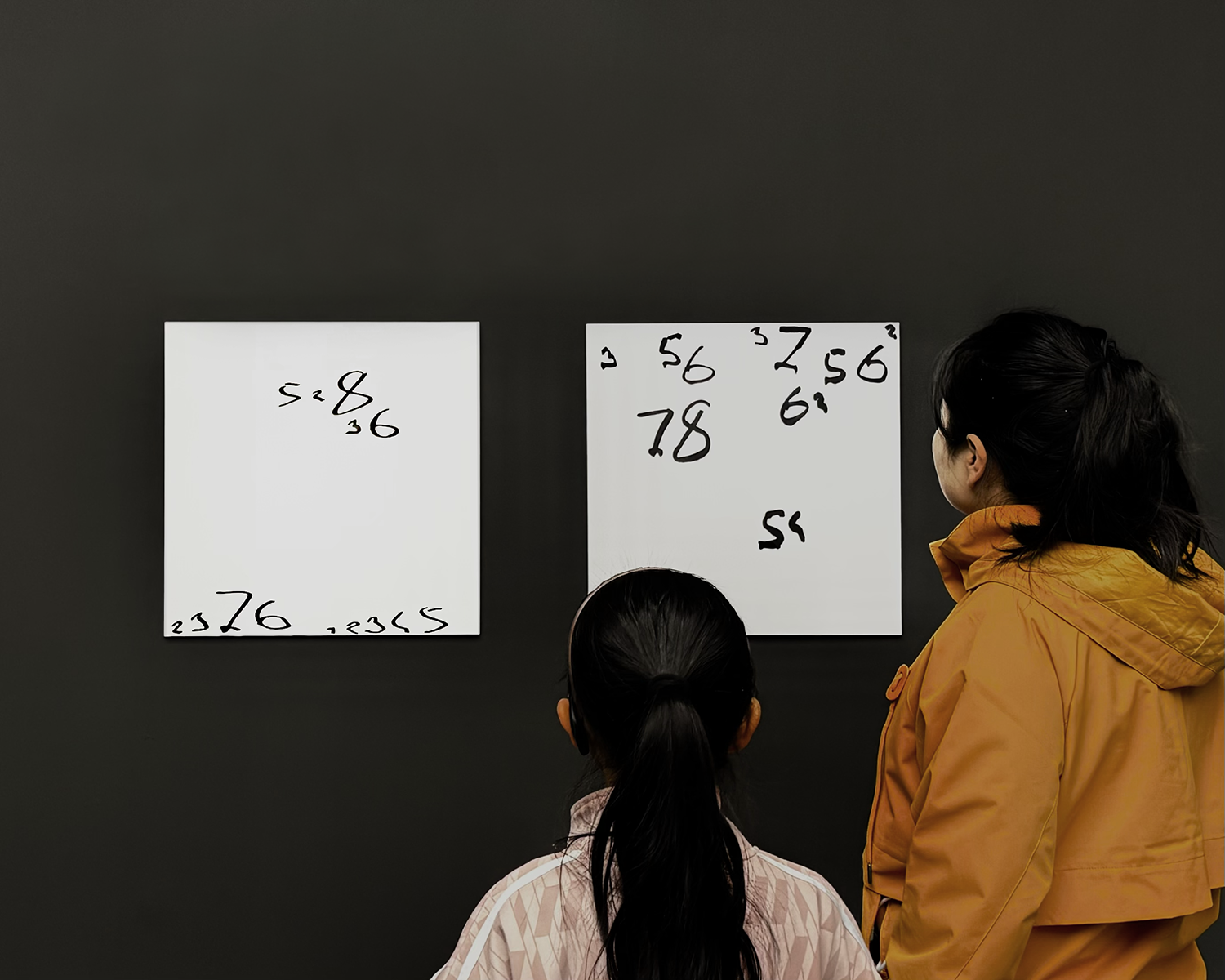
Black White Rainbow
Photo: Boxes Art Museum
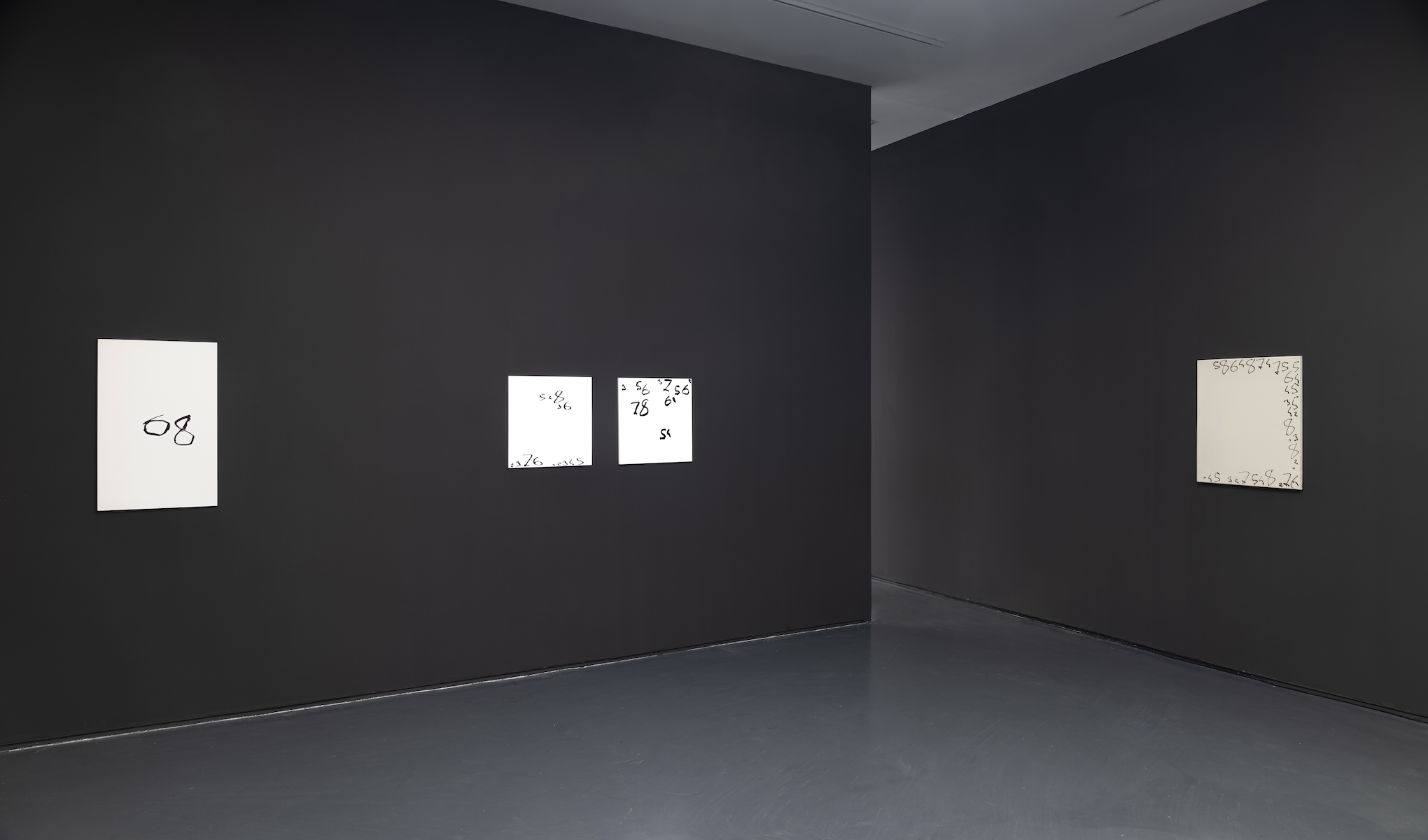
Black White Rainbow
Photo: Boxes Art Museum
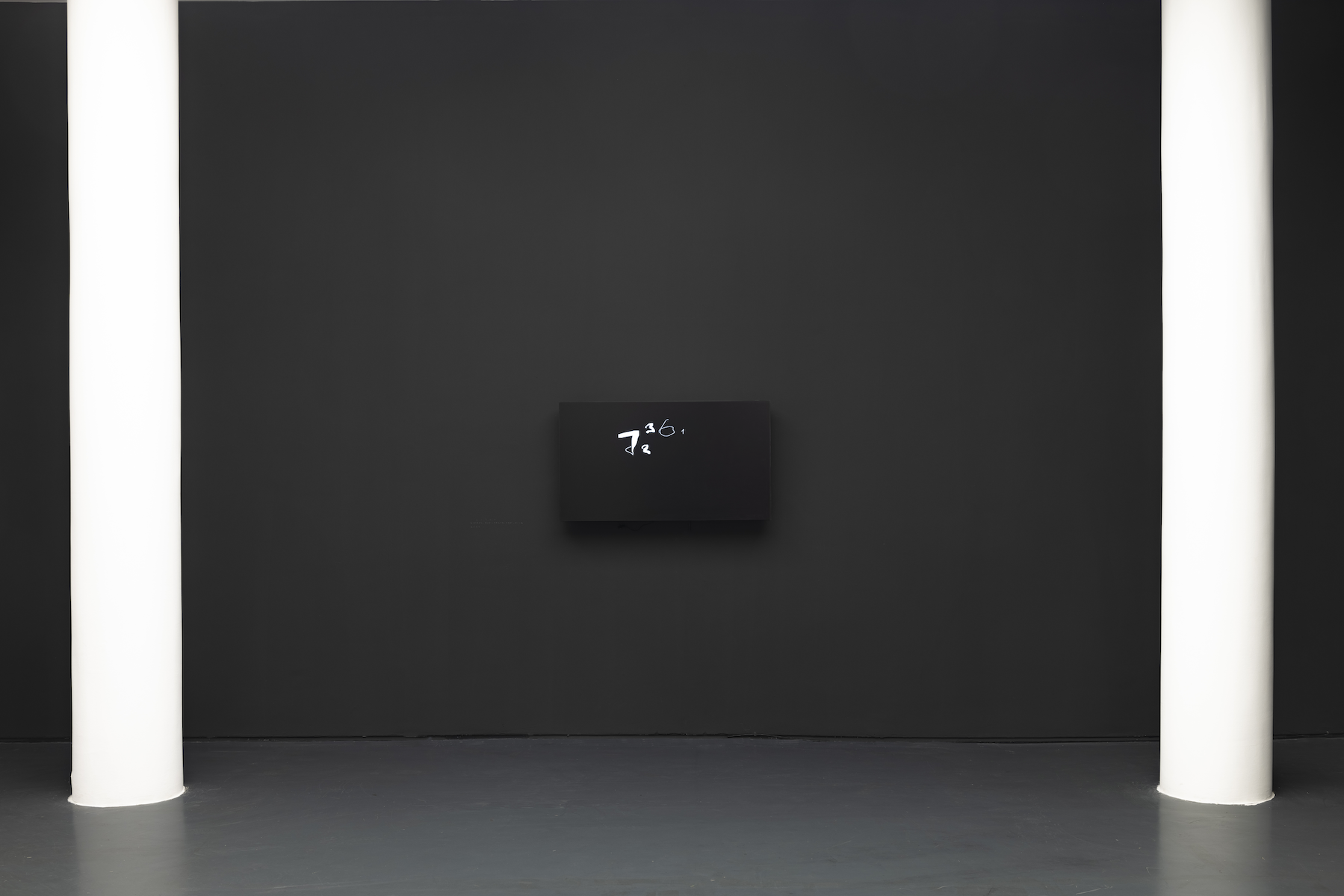
Black White Rainbow
Photo: Boxes Art Museum
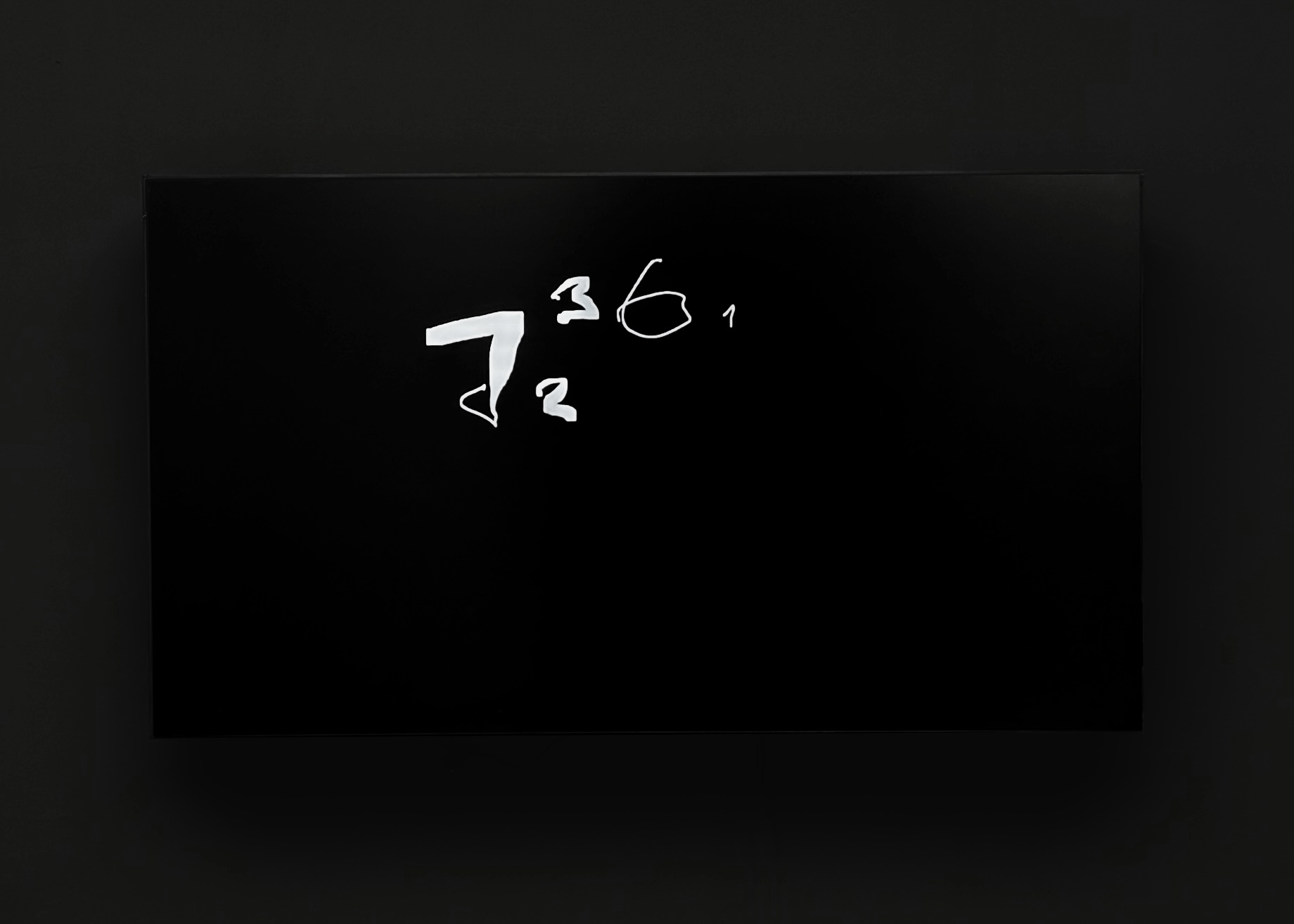
Oleksiy Koval, 2024
60 x 106 cm, 1920 x 1080 px, Jpeg
Photo: Boxes Art Museum
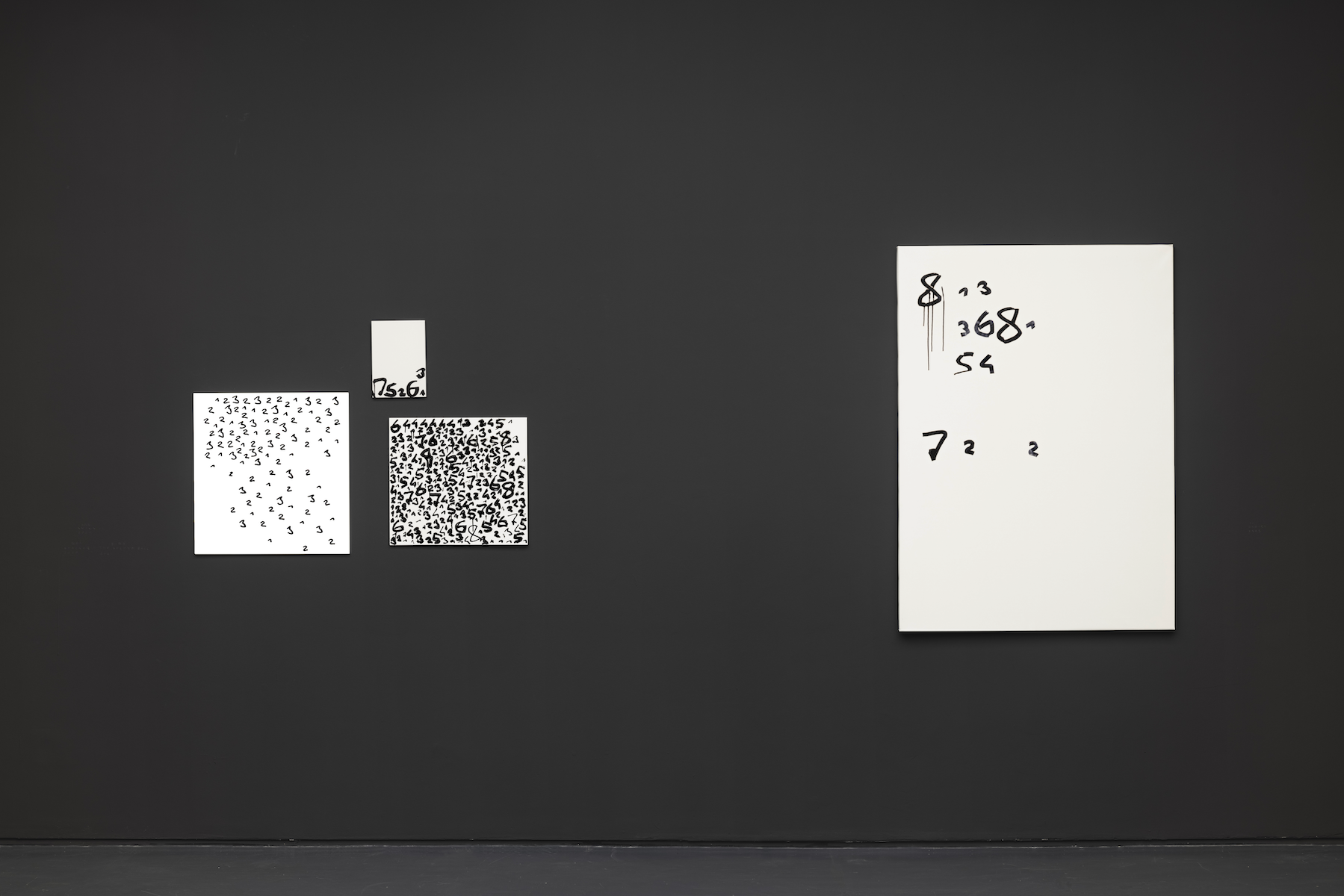
Black White Rainbow
Photo: Boxes Art Museum
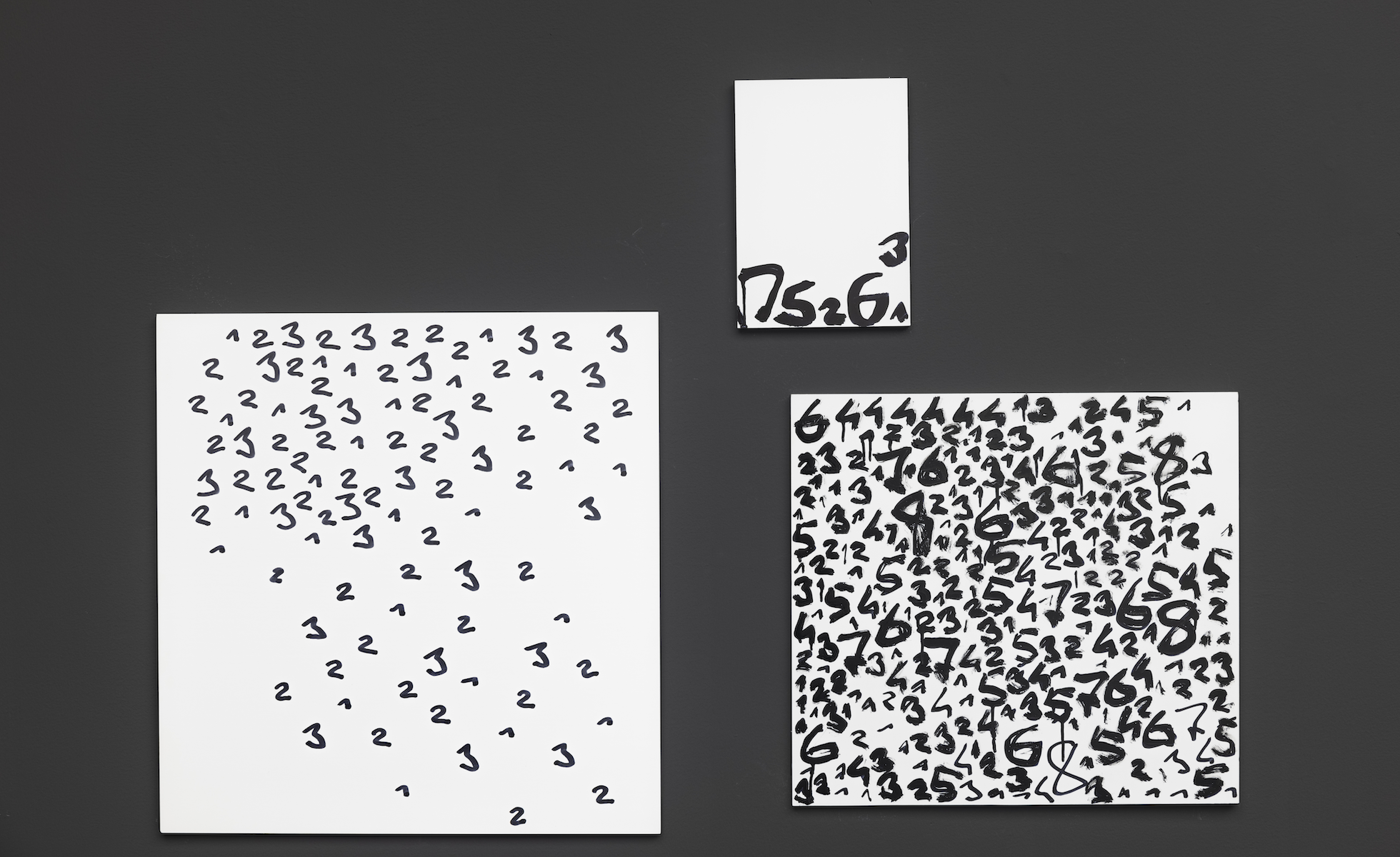
Black White Rainbow
Photo: Boxes Art Museum
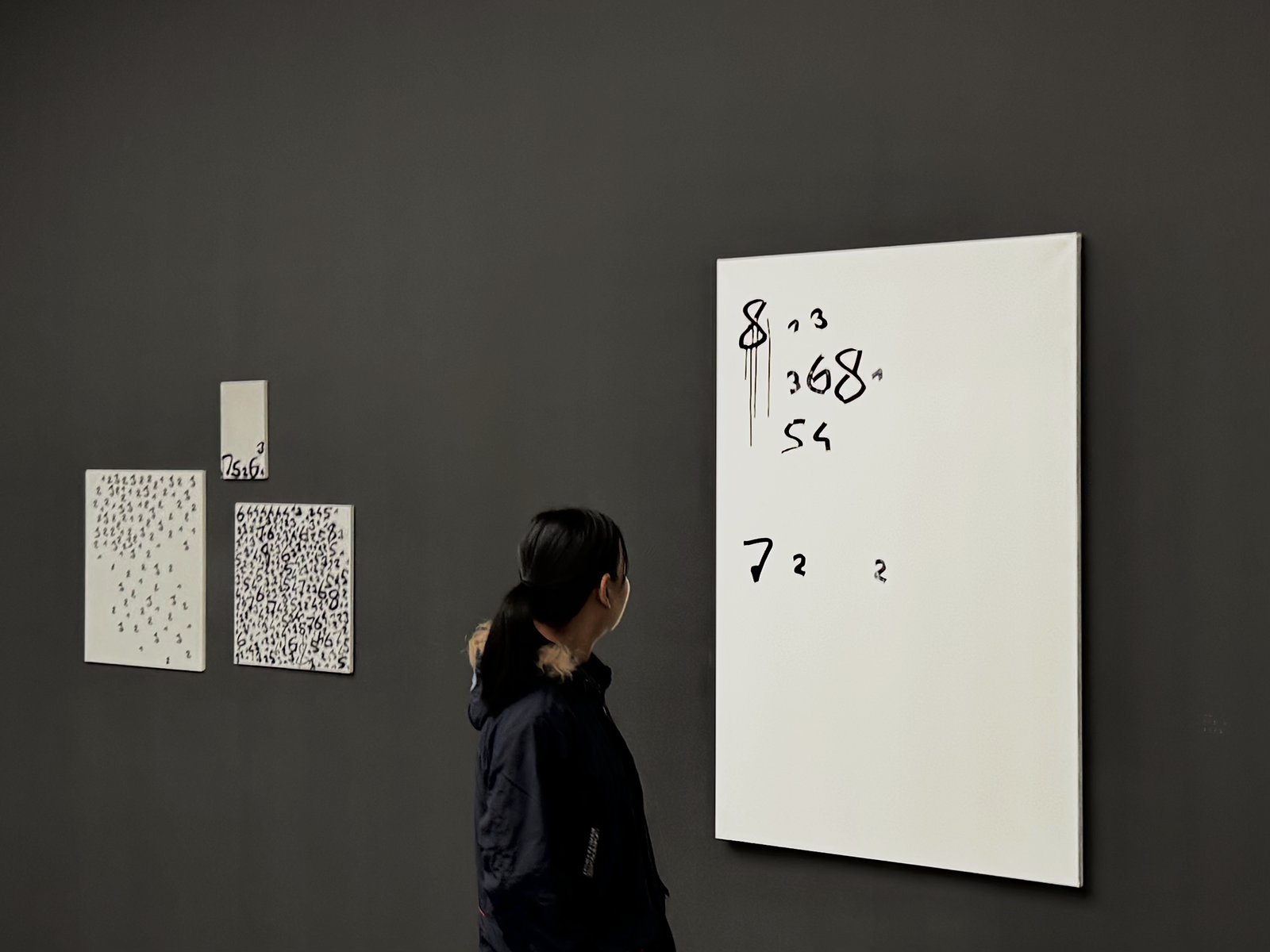
Black White Rainbow
Photo: Boxes Art Museum
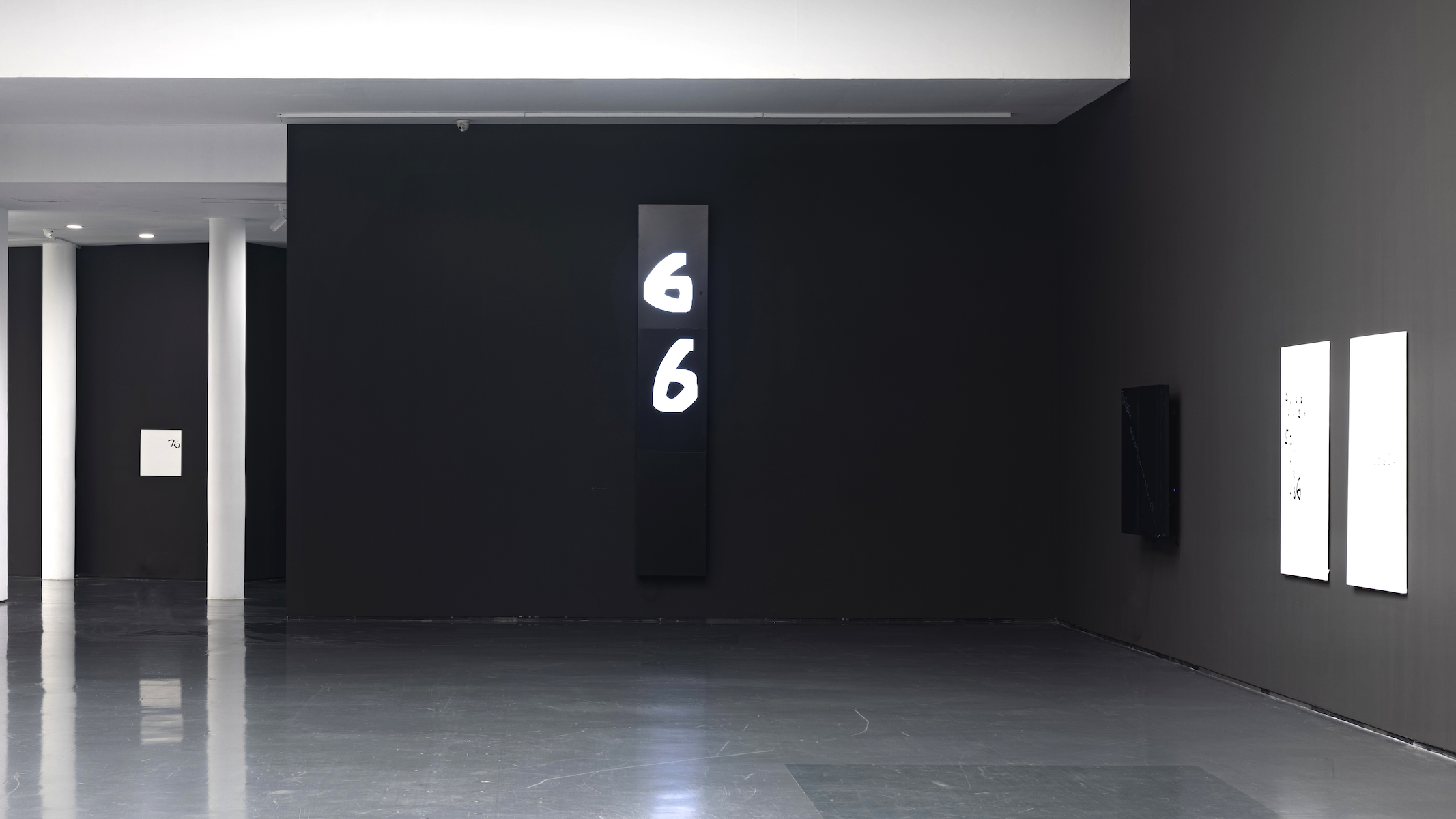
Black White Rainbow
Photo: Boxes Art Museum
Black White Rainbow
Photo: Boxes Art Museum
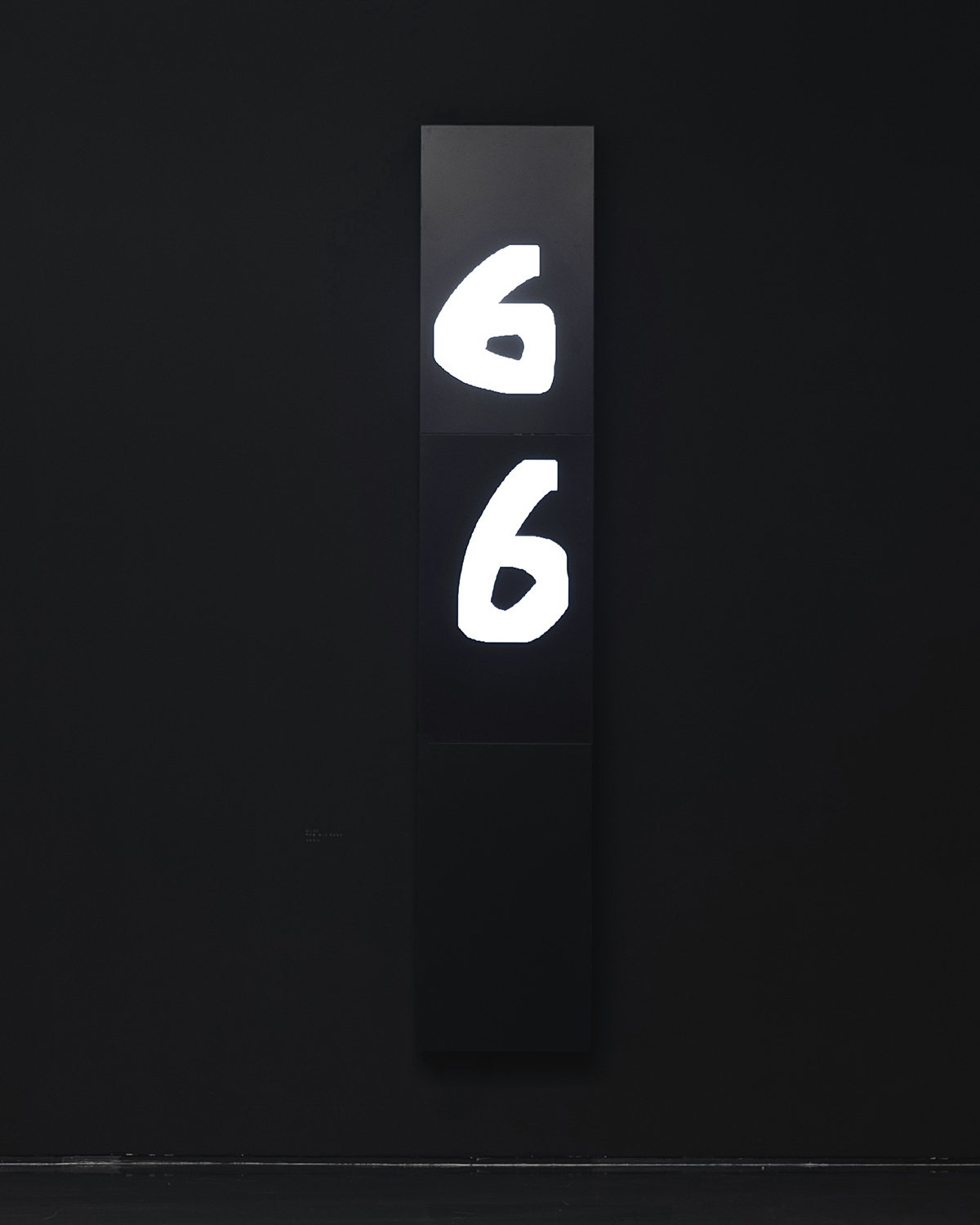
Oleksiy Koval, 2024
318 x 60 cm, 1080 x 5760 px, Jpeg
Photo: Boxes Art Museum

Oleksiy Koval, 2024
106 x 120 cm, 2160 x 1920 px, Jpeg
Photo: Boxes Art Museum
Black White Rainbow
Photo: Boxes Art Museum
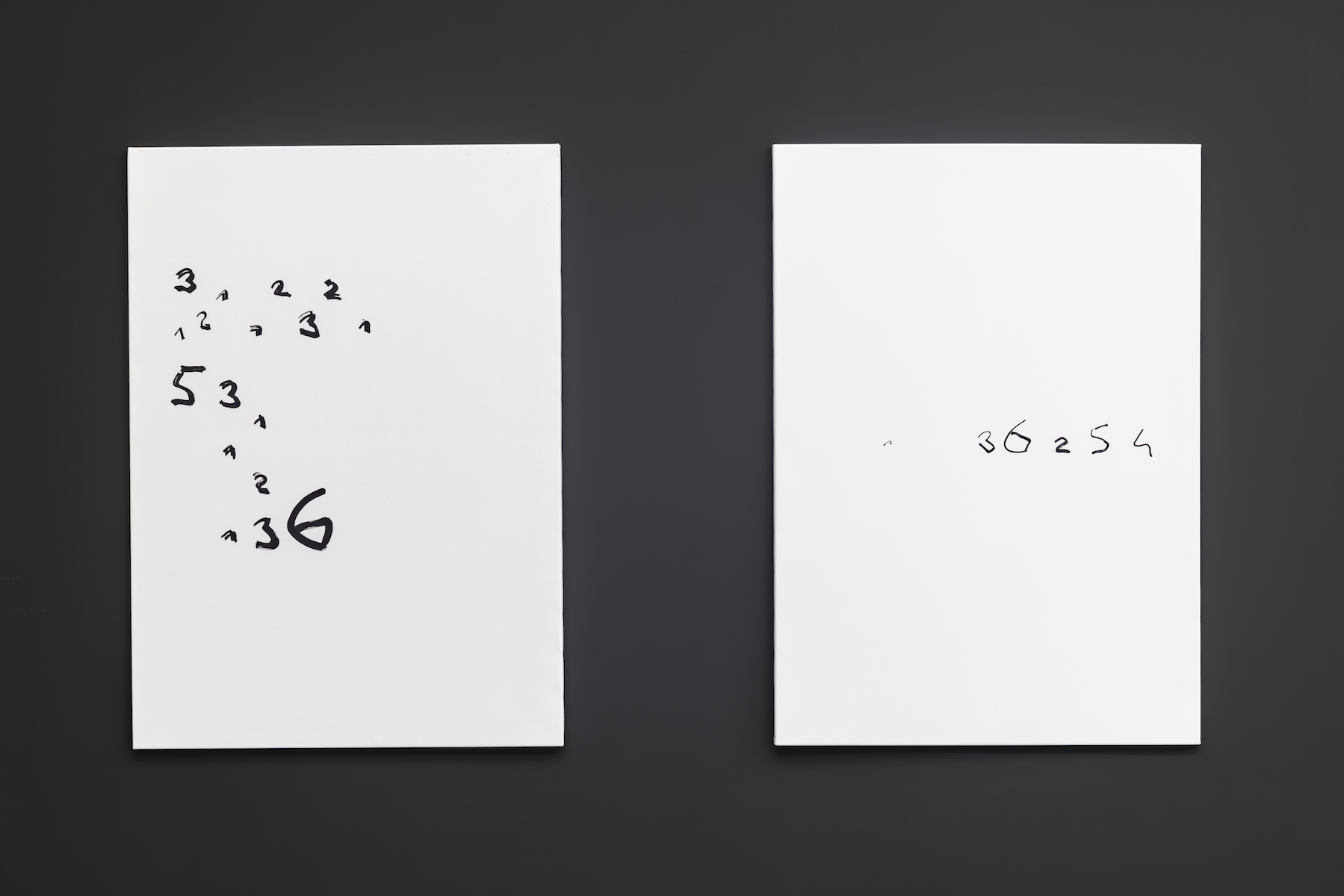
Oleksiy Koval, 2023 – 2024
Photo: Boxes Art Museum
Black White Rainbow
Photo: Boxes Art Museum

Oleksiy Koval, 2024
318 x 60 cm, 1080 x 5760 px, Jpeg
Photo: Boxes Art Museum
Black White Rainbow
Photo: Boxes Art Museum
Black White Rainbow
Photo: Boxes Art Museum
Oleksiy Koval, 2020 – 2024
Photo: Boxes Art Museum
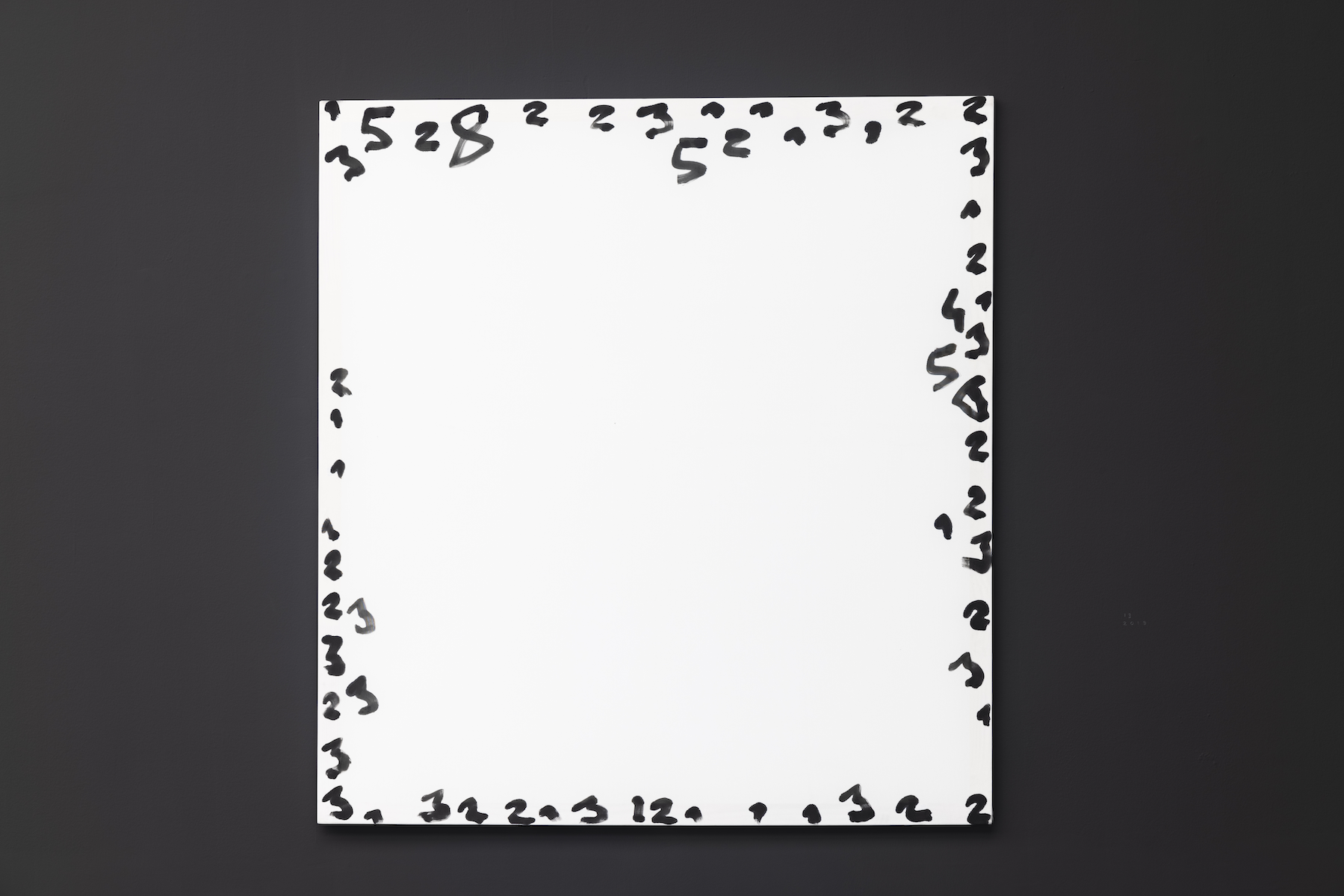
Oleksiy Koval, 2019
140 x 130 cm, ink on synthetic textile
Photo: Boxes Art Museum
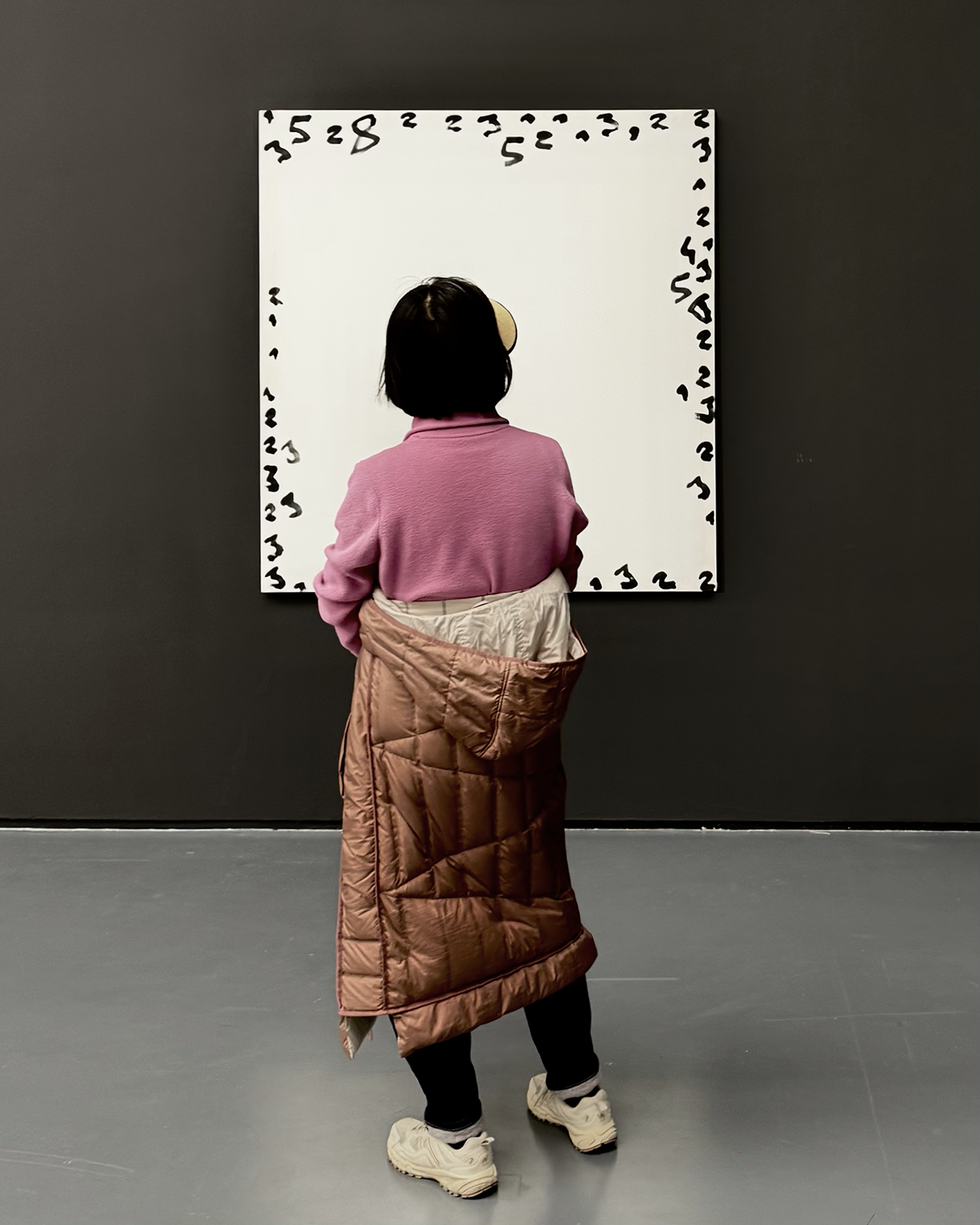
Black White Rainbow
Photo: Boxes Art Museum
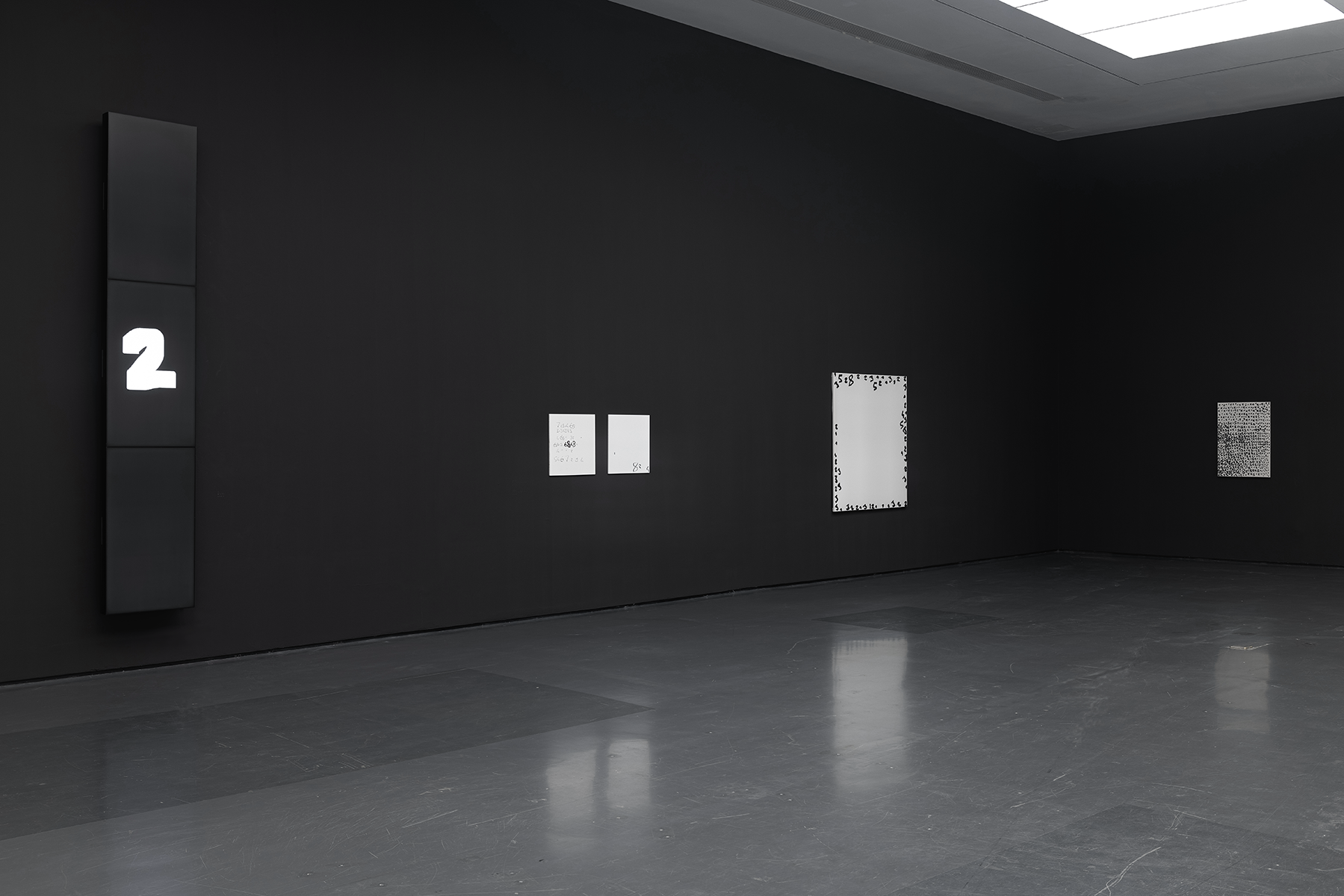
Black White Rainbow
Photo: Boxes Art Museum
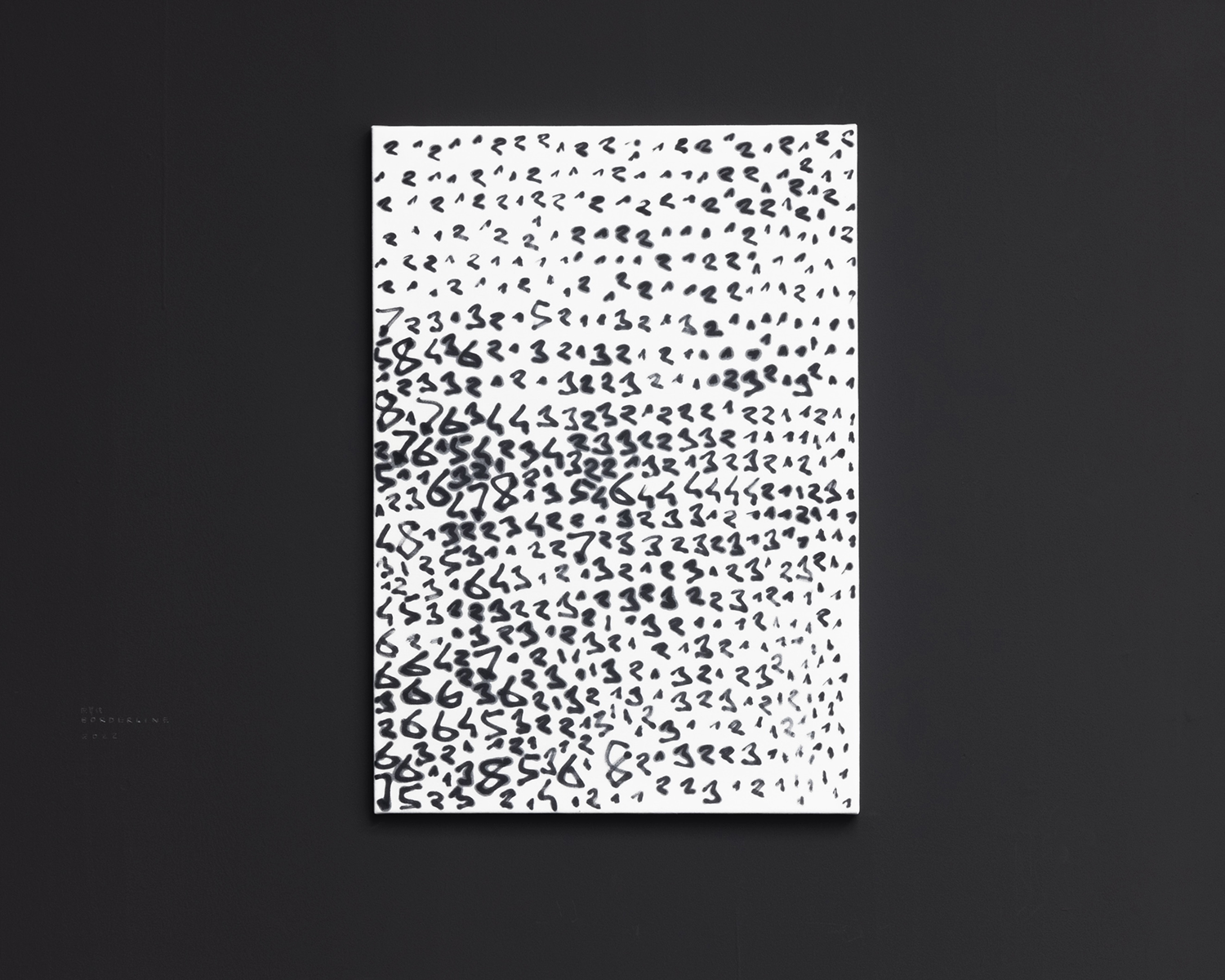
Oleksiy Koval, 2022
85 x 60 cm, ink on synthetic textile
Photo: Boxes Art Museum
Organizer: Boxes Art Museum
Support: OCT (Shenzhen) Commercial Management Co., Ltd., Boxes Art Museum (Foshan) Co.,Ltd.
Coordinator: Oil Painting Department Curatorial Group of Guangzhou Academy of Fine Arts
Exhibition Director: Zhou Li, Liu Ke
Team: You Guoqiang, Deng Zhiting, Deng Zijun, Ji Ran, Guo Yan, Deng Dong Yan,Yuan Zeqiang, Chen Sijia, Zeng Yun, Shi Jiaqi
Exhibition Graphics: Lin Wanting
 Oleksiy Koval